Renovation Parking Woes: Handling Home Projects Without Street Drama

Home renovations deliver beautiful results worth celebrating, until the street turns into an obstacle course of utes, trailers, skip bins, and concrete trucks. One blocked driveway is all it takes for neighbourly relations to sour, council rangers to appear, and daily fines to start stacking up faster than the new gyprock.
The difference between a renovation that ends in handshakes and one that ends in legal letters is almost always parking. Get it right early, and everything else flows.
Win the neighbours over before the first sledgehammer swings
A five-minute doorstep conversation with a printed schedule and a genuine apology works wonders. Offering to rent an unused driveway or carport for a week turns potential complainants into temporary landlords. Most people prefer cash to chaos.

Book guaranteed off-street parking from day one
Finding parking for renovation work used to be a real headache, but not anymore. Now there are platforms where homeowners can list their extra driveway or garage space, and contractors can book it for exactly how long they need it. The spots show up within minutes, usually just a block or two away, and they cost between $10 and $25 a day.
Consider a medium-sized renovation. These usually take around six to ten weeks. You might have five to eight workers on scene each day. Parking costs can add up to $2,000. It sounds like a lot, but think of it this way: one council fine is $293. Or maybe a neighbor calls parking enforcement because somebody blocked their driveway briefly.
What's really interesting is how much better your crew feels. Instead of wasting time looking for parking or worrying about getting tickets, everyone just pulls into their spot, turns off the engine, and actually gets to relax.
Here's something else to think about: every renovation has downtime. Paint needs to dry, concrete needs to cure, and plaster needs to set. When your team has a proper parking spot, they stay on site during those breaks instead of driving off to find parking somewhere distant. Many kick the boots off, eat lunch in the shade, or pull out the phone for a quick break. Either way, they’re still on site, boots off, having lunch in the shade instead of circling the block for parking.
A surprising number fire up an online casino Australia real money easy withdrawal site for a few quick spins while the mud sets. A 15-minute break can turn into a big win. This keeps team spirits up, ensures the trucks stay put, and keeps the street uncluttered. It's a win for everyone, especially the homeowner, who avoids angry notes or penalty notices.
Make parking the builder’s problem
If you're a professional builder who's handled lots of sites, you know this drill. Make sure worker parking is included in your scope, and cost it separately. What many experienced builders do is secure three or four nearby driveways themselves. They use the same platforms they're comfortable with, then simply add that line item to their quote. Here's why this works: being clear about parking from the beginning prevents that frustrating standoff that tends to happen three weeks into the project.
Control the big blockers
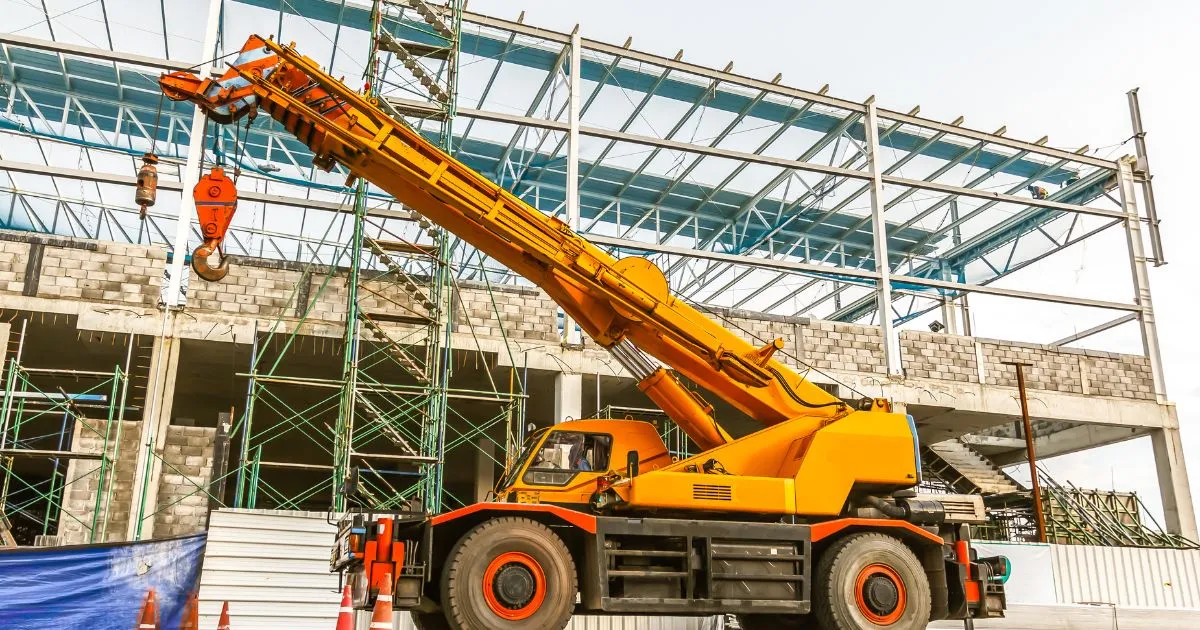
When it comes to big equipment like skip bins, steel deliveries, concrete pumps, and mobile cranes, timing is everything. These are the real street hogs, so schedule them carefully - strictly between 9 am and 2 pm. Never during school pick-up times. Make sure you're on site in hi-vis to direct traffic safely. A polite group text the day before lets everyone know what to expect. It's amazing how these small courtesies can prevent big problems with your neighbors.
Lodge council permits the same week contracts are signed
Every council offers temporary work zone signs or renovation parking permits. The application process takes two to four weeks, and you'll pay between $150 and $350. Get your application in early. Really, don't put it off. The fines for not having the proper permits are serious - we're talking thousands of dollars, not just a few hundred. It's a small price to pay compared to what you could end up paying if you skip this step.
The nuclear option: relocate for the worst phase
Major structural jobs or full gut renovations often push owners to rent nearby for four to six weeks. Daily site visits continue, but evenings are spent away from dust, noise, and parking battles, preserving sanity and relationships.
Final thoughts
Renovations already stretch budgets, timelines, and patience. Turning the street into a daily battleground is an entirely optional extra. A morning spent booking off-street spaces through Parking Made Easy, a quick round of neighbourly chats, and one weekend, and the correct council paperwork lodged on time will remove 90 % of the usual drama. The remaining 10 % is just plaster dust, and that washes off eventually. Park properly, and the only lasting memory will be the finished home, not the war over car spaces.
 **Written by Daniel Battaglia:** As the author of
 Find Parking With Us Today!


Helpful Blogs
Parking Near Me
- Prime Secure Parking Opposite MCG - 24/7 Access!
- Under cover parking space Lot No.281 in multi level car park, 24 hours a day, 7 days a week axcess, via Claremont or Daly St South Yarra. Right side has a concrete pillar which gives extra protection for your car. 24 hour security, Close to all major reta
- Requiring secure parking spot Harbour Rd Hamilton
- Dr Steven Rostkier
- Secure Parking spot required McMahons Point $90/ wk
Popular Places
- Brisbane Convention & Exhibition Centre, Grey St, South Brisbane QLD 4101, Australia
- Buffalo Creek Management Area, MW34+HP, Buffalo Creek NT 0812, Australia
- Berry Springs BBQ and Picnic Area, Nature Park, Berry Springs NT 0838, Australia
- Berry Springs Nature Park, Berry Springs Nature Reserve, Berry Springs NT 0837, Australia
- WW2 Airstrip Strauss., Adelaide River NT 0846, Australia
Share