Moving Into a Brisbane Apartment? How to Handle Limited Parking and Loading Access

Picture this: It's moving day, you've got a truck full of furniture, and there's absolutely nowhere to park near your new Brisbane apartment. The street is packed with residents' cars, loading zones are full, and you're watching the clock tick while your belongings sit in limbo.
Sound familiar? Brisbane's apartment living comes with many perks, but parking on moving day isn't one of them. Between narrow inner-city streets, strict resident-only bays, and time-limited loading zones, it can feel impossible to coordinate.
The good news? With proper planning, you can handle limited parking and loading access without the stress. Let's walk through exactly how to make your apartment move smooth and drama-free.
Understanding Brisbane Apartment Parking Restrictions
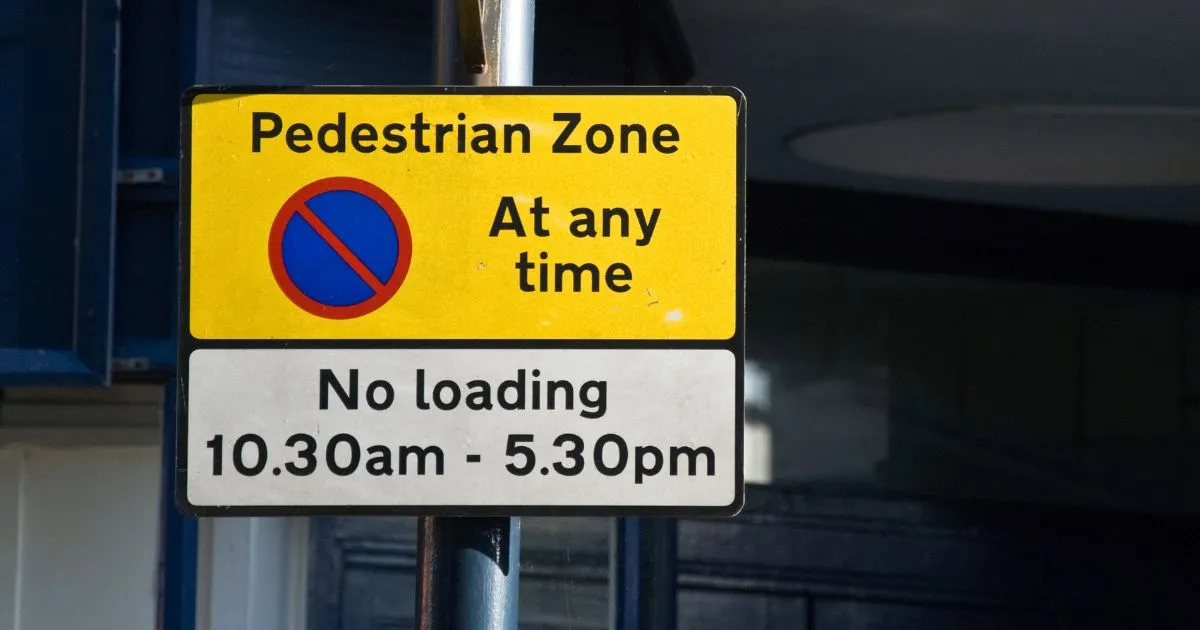
Here's what most people don't realize until moving day arrives. Most Brisbane apartments have strict visitor parking limits, often just two hours maximum. That's barely enough time to unload a studio apartment, let alone a two-bedroom place.
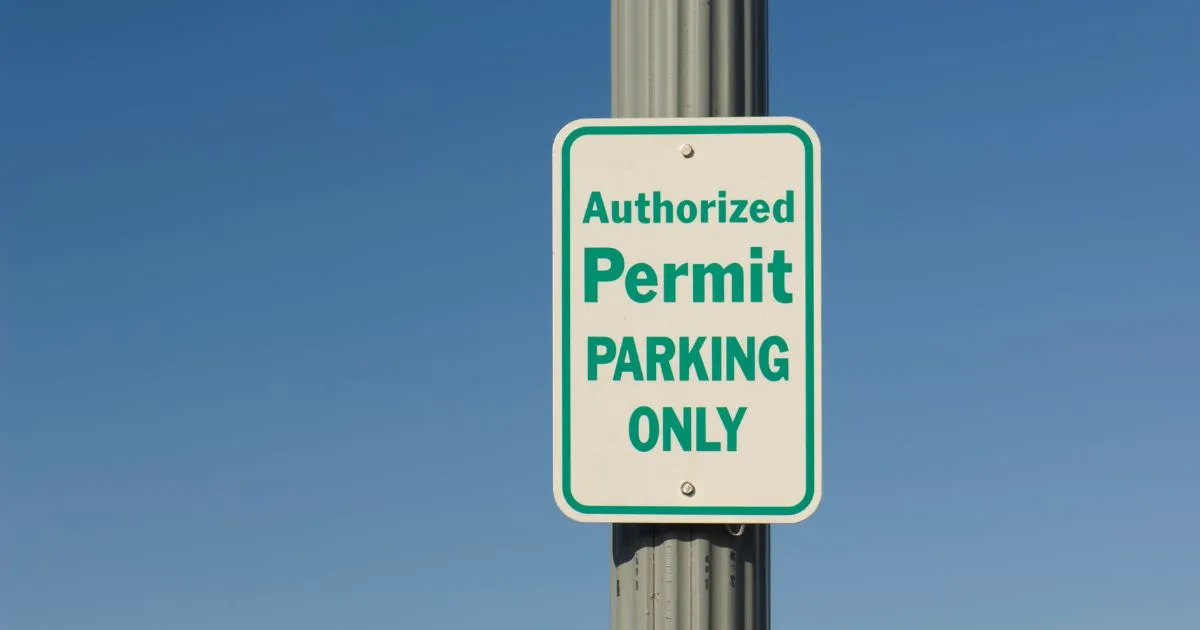
Loading zones seem like the obvious solution, but they typically have 15 to 30-minute time restrictions. Your resident parking permit won't cover a moving truck either, even if you're already a tenant.
Council regulations vary significantly depending on your suburb too. Inner-city areas like Fortitude Valley and South Brisbane have much stricter enforcement than outer suburbs like Chermside or Carindale.
Why does all this matter? Because parking fines in Brisbane aren't cheap, delays cost you time and money, and blocking driveways creates tension with your new neighbours before you've even unpacked. Nobody wants to start their tenancy on the wrong foot.
Pre-Move Planning: Your First Steps
Your first call should be to your building management, not the removalists. Many apartment complexes require advance booking for moving activities, sometimes weeks ahead. Ask specifically about loading dock access and whether you need to reserve the freight elevator.
Find out if there's a designated moving bay or loading area. Some buildings have specific spots set aside for this exact purpose, which eliminates your biggest headache right there.
Get any required permits or approval forms sorted early. Buildings often have paperwork that needs completing before moving day, including insurance certificates or indemnity forms.
Experienced professionals like a removalist Brisbane QLD team will already know these requirements and can guide you through the process. They've dealt with hundreds of Brisbane apartment buildings and know which ones are straightforward and which need special handling.
Here's a pro tip: Scout the location beforehand. Visit your new building at the same time of day you plan to move. See where trucks actually park, how busy the area gets, and what access points exist. Take photos of potential parking spots and loading areas so you can plan accordingly.
Securing Temporary Parking Permits
Brisbane City Council offers temporary no-parking permits specifically for moving purposes. These permits allow you to reserve a section of street parking exclusively for your moving truck, which is absolute gold on moving day.
You'll need to apply online through the council website, and here's the catch: you usually need to give 5 to 7 days' notice. Last-minute applications rarely get approved, so don't leave this until the week before your move.
The permits come with different cost and duration options depending on your needs. Most people find a four-hour window sufficient, but you can request longer if you're moving a larger apartment.
An alternative worth considering is private parking arrangements with nearby businesses. If there's a cafe or shop with a car park near your building, ask the owner if you can pay to use a few spaces during their quieter hours. You'd be surprised how often this works, especially on weekdays.
Just remember to check whether your suburb falls under Brisbane City Council or a different jurisdiction like Ipswich or Logan. Each council has its own permit system and rules.
Working With Building Management
Timing is everything when it comes to apartment moves. Schedule your move during off-peak hours if the building allows it. Weekdays are almost always better than weekends when everyone's home and lifts are in high demand.
Booking the service lift in advance is absolutely essential for high-rise moves. Some buildings only have one freight elevator, and if someone else has booked it, you're stuck using the passenger lift with angry residents squeezing past your mattress.
Ask about loading dock protocols and access times. Some buildings restrict loading dock use to certain hours, while others operate on a first-come-first-served basis.
Get the building manager's mobile number for moving day itself. Things rarely go 100% according to plan, and having direct contact with someone who can unlock doors or override lift restrictions is invaluable.
Understand the insurance and liability requirements too. Many buildings require proof of insurance before they'll let removalists into the building, and some charge booking fees or require security deposits for potential damage to common areas.
Smart Loading Zone Strategies
If permits aren't an option, you'll need to master loading zone logistics. Start by identifying the closest loading zones to your building entrance. Sometimes there's one around the corner that's much less busy than the obvious one out front.
Understand the time limits strictly enforced in Brisbane, usually 15 to 30 minutes maximum. Set a timer on your phone and stick to it. Parking inspectors in busy areas know moving day patterns and watch for vehicles overstaying.
Have your helpers ready and organized before the truck arrives. Every minute counts. Use a relay system if needed: unload everything from the truck to the loading zone, move the truck if necessary, then transport items to your apartment. It's more work but avoids fines.
Consider whether multiple quick trips might actually be smarter than one long stint that risks penalties. Sometimes working with the restrictions is easier than fighting them.

Alternative Parking Solutions
Street parking can work if you know the rules. Brisbane has countless 2P and 4P zones throughout apartment areas. Two hours might not seem like much, but with an organized team, you can accomplish more than you'd think.
Paid parking stations are everywhere in Brisbane's apartment districts. Wilson Parking and Secure Parking facilities often have spaces large enough for small moving trucks. Yes, you'll pay for parking, but it's cheaper than a fine and way less stressful.
Try negotiating with neighbouring businesses for temporary access. That office building next door might have an empty car park on Saturday morning. The worst they can say is no.
Understand that weekend versus weekday parking availability is completely different. Some metered spots are free on Sundays, while others switch to resident-only on weekends.
For really tight access situations, consider using smaller vehicles. A large moving truck might be impossible to park, but a smaller van can squeeze into regular parking spaces and make multiple trips.
Essential Moving Day Logistics
Start early to maximize your parking window and beat Brisbane's notorious traffic. A 7am start gives you the whole day and catches the city before it gets busy.
Have someone dedicated to watching the vehicle at all times. It only takes one parking inspector or impatient resident to create problems. This person can also direct traffic and keep the loading zone clear.
Keep your building manager's number handy and all permits or approvals visible in your vehicle windscreen. Clear documentation prevents disputes with inspectors or building security.
Protect common areas as you move through them. Most buildings require floor protection, door padding, and lift padding. Failing to do this can result in cleaning fees or security deposit deductions later.
A courtesy notice to neighbours goes a long way. A simple note in the lift explaining the move and apologizing for any inconvenience builds goodwill. You're going to see these people regularly, so start on a friendly note.
Always have an emergency backup plan if your parking arrangement falls through. Know where the next closest option is and have contact numbers ready.
The Bottom Line
Here's the truth about apartment moves in Brisbane: they require more coordination than house moves, but they're absolutely manageable with proper planning.
Don't underestimate Brisbane's parking challenges, especially in high-density areas like New Farm, West End, or the CBD. What seems simple on paper becomes complicated when you're actually there with a truck full of belongings.
Professional help is genuinely worth considering for the stress-free experience alone. Removalists who specialize in apartment moves know every building's quirks, have relationships with building managers, and can navigate parking restrictions in their sleep.
Start planning at least two weeks before your moving day. That gives you time to secure permits, coordinate with building management, and scout your options without panic.
With the right preparation, your Brisbane apartment move can be smooth and efficient. You'll be unpacked and settling into your new place while others are still circling the block looking for parking. That's the difference planning makes.
**Written by Daniel Battaglia:** As the author of Parking Made Easy: Making Life Easier is dedicated to making parking easier and more affordable at Parking Made Easy with Generative AI. With a background in business focusing on process improvement and parking solutions, Daniel has dedicated his career to helping drivers find parking. He understands the frustrations of parking and is committed to providing practical solutions. If you have any questions about renting a car parking space, feel free to contact Daniel at daniel@parkingmadeeasy.com.au.
Find Parking With Us Today!


Share