How GPS Vehicle Tracking Improves Parking Efficiency for Fleet-Based Businesses
If you have ever managed a fleet of vehicles in large city, you understand that the “last mile” is much more complicated than just driving. It is actually the desperate, futile struggle to find a legal spot to park. The problem of congestion in large cities has created parking as a dangerous game of musical chairs, with the loser being the one who pays for it through wasted fuel and expensive fines. Parking for most businesses related to fleets is much more than just an irritation.
However, there appears to be hope on the horizon. Through the implementation of GPS tracking systems for vehicles, companies are being freed from hope-based navigation and are instead utilizing precision based on data. This goes beyond tracking where a vehicle is; it also takes parking, which is a chaotic variable, and turns it into a strategic asset that ensures that operations stay fluid and that costs stay fixed.
Why Parking Efficiency Matters for Fleet Operations
So, when a driver spends twenty minutes navigating a block in search of a loading zone, you are not merely expending twenty minutes of labor. Rather, you're burning fuel, accelerating wear and tear, and delaying every other job that this driver has to tackle in their schedule. In this regard, according to findings from the INRIX Global Traffic Scorecard, drivers in major cities tend to lose dozens of hours each year in search of a parking space. This represents a cumulative toll that adversely affects the global economy to the tune of billions.
As if all that isn’t bad enough, the impact that all of this has on the fleet management of the facility can be even worse. Ineffective parking practices can lead to double parking, which creates the perfect storm for serious fines and possible road collisions. It can also accelerate stress in frustrated drivers, contributing to their burnout.
However, to counter these rising costs, many companies are increasingly turning to full-fledged fleet management solutions to get back control of their operations. This is achieved by realizing that parking is not the final step in the journey and rather an inherent part of the process. This ensures that the idle time and the resultant profit margins are not eroded by the effect of congestion.
How GPS Vehicle Tracking Enhances Parking Management
Real-Time Vehicle Location Data
The first direct benefit of automotive tracking systems is the bird's-eye perspective that dispatchers have when using this technology. Instead of the driver trying to make an educated guess where open parking spots might be on certain streets to deliver the load and get out of the traffic area quicker, the back-office staff has the ability to see exactly where the idling or congestion of trucks occurs.dispatchers have the ability to re-route them to a secondary spot that has less congestion or to a spot that has previously been vetted for loading.
This constant flow of location effectively eradicates the search component of the deliver because it makes sure that the wheels are turning or the products are moving instead of the engine being engaged in the act of standing by while the driver is waiting for a gap in the traffic.
Predictive Analytics for Parking Availability
Smart fleet management is not just about reacting to the present. It is about learning from the past. By analysing historical GPS data, managers can identify parking hotspots and peak occupancy times for specific delivery zones.
For instance, if data shows a 90% occupancy rate at a specific hub between 10:00 AM and 11:30 AM, schedules can be adjusted to hit that window earlier or later. This kind of predictive insight is why GPS tracking for fleets has become an essential tool for modern logistics. It allows you to build schedules around reality, not just optimism.
Compliance and Safety Benefits
Apart from optimizing efficiency, there are other factors, including the law. Regulations administered by agencies such as the NHVR focus heavily on issues related to safety and managing drivers’ fatigue. GPS tracking eliminates any risk of drivers being left with no choice but to park in areas that are not-driver-safe, just to meet time constraints.
Automated notifications can inform the managers if the vehicle has stopped in a risk area, which will facilitate taking corrective measures immediately. A proactive approach to compliance will help minimize the chances of violation, but more importantly, it will keep the drivers and the general public safe.
Integrating GPS Tracking with Route and Parking Optimisation
The magic is in combining GPS location tracking with complex path algorithms. You are not merely thinking about parking as a distinct activity following the drive. It is a double-sided coin. When thinking about implementing a route optimisation software, this is what is implied. The system at work is not merely determining how to get the shortest route between points A and B. It also considers the time needed to locate a parking spot.
Suppose a situation where a delivery with a high priority is approaching a congested commercial zone. The legacy approach would simply direct the delivery driver right into a traffic congestion. An intelligent approach, however, would utilize GPS to identify that all available loading docks around that neighborhood are occupied by other delivery trucks from its company, directing the delivery driver to a different location instead.
Alternatively, it could indicate a parking lot three blocks away that happens to be empty at this point, thereby saving you fifteen minutes of idling in traffic. The synergy saves massive amounts of engine-on time which is a huge win for your fuel card and the environment.
According to research done by McKinsey & Company on Smart Cities, it has emerged that these “smart digital solutions have a profound importance in the field of sustainable urban logistics.” When parking spaces are managed in an optimised way, “your whole supply chain accelerates, emissions lower, and your customers receive what’s theirs when it’s promised.”
Tips for Maximising Parking Efficiency Using GPS Data
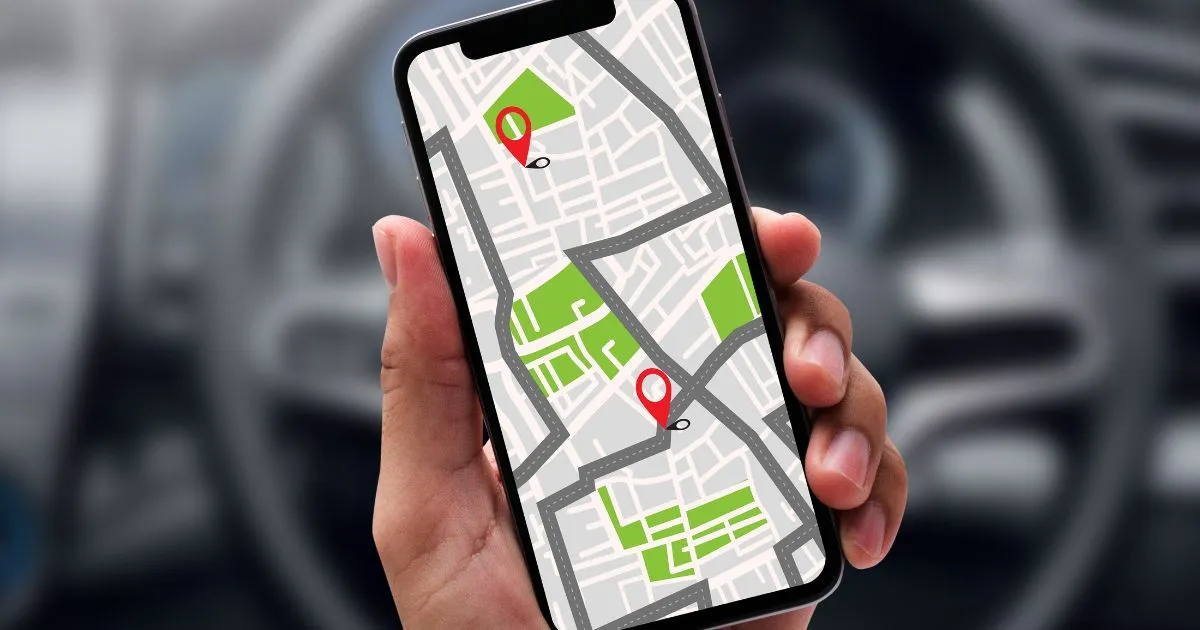
Well, now that we understand these abstract ideas, let’s talk about implementation. It begins with an attitude change regarding telematics data. First of all, don’t just think of the GPS component of telematics as a security system—you’ve got to use it diagnostically. Run reports on stop time vs. service time. When a driver is on a job for forty minutes, only spends ten with the client, you’ve discovered the problem of parking/access.
Secondly, encourage interaction between the data and your drivers. This is because drivers also know some secret locations that have not been put on the map. This makes it necessary for your GPS tools of geofencing to identify these locations as the areas to be favored by your system.
Lastly, integrate parking data with maintenance schedules. If a vehicle spends a lot of time idling due to a stop-and-go parking environment, those vehicles will require checks on cooling and braking systems more frequently because they are subjected to a lot of stress due to frequent stops and starts. With GPS tracking for parking, drivers will remain one step ahead of a breakdown.
The Path to Smarter Fleet Mobility
The era of drivers circling the block should be a thing of the past. In an industry where margins are thin and expectations are high, wasting time on parking is a luxury no fleet-based business can afford. GPS tracking provides the visibility needed to turn parking from a daily headache into a seamlessly integrated part of the workflow.
Real-time data, predictive analytics, smart routing-with all these, you will be doing way more than saving two or three minutes per stop. You will be opening up a more resilient, profitable, and professional operation. So if you're ready to stop the idle time and move with purpose, it's time to take a closer look at what your fleet's data is trying to tell you about the road ahead.
**Daniel Battaglia, Parking Made Easy:** As part of the Parking Made Easy team with the assistance of Generative AI, Daniel Battaglia offers his experience in the car parking industry. He is dedicated to providing valuable information and resources to help you make smart parking choices and has been widely quoted in national media outlets. Connect with Daniel directly at daniel@parkingmadeeasy.com.au for further assistance.
Find Parking With Us Today!

Share