How Technology is Transforming Urban Parking Solutions

The daily grind of finding a park in Sydney or Melbourne has become more than just a personal headache; it is a systemic drain on our urban vitality. As Australian cities swell, the old "build more concrete" approach to parking is failing. This is a fundamental shift in the nature of parking from a more static concept to a dynamic and intelligent mobility solution.
With IoT sensors, real-time data analytics, and mobile apps, technology is finally helping us reverse the trend of congestion in our cities. These technologies empower us to manage space with precision, moving away from “predict and react” to “predict and act.”
The Growing Urban Parking Challenge in Australian Cities
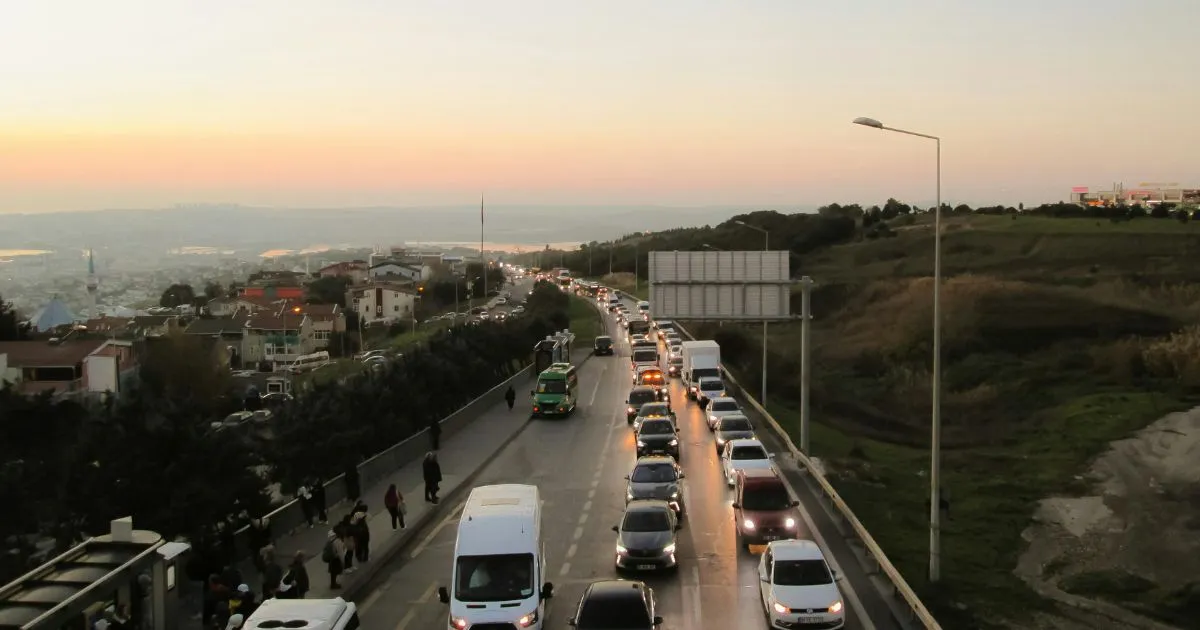
Australia’s heavy reliance on cars, coupled with rapid urbanisation, has created a perfect storm for our CBDs. The sheer time wasted behind the wheel is staggering. According to the INRIX Global Traffic Scorecard, drivers in major metropolitan areas lose dozens of hours every year simply sitting in gridlock.
A big part of this consists not of commuting, in the truest sense of the word, from A to B but of "cruising," which is driving in a frustrated manner around blocks looking for an empty spot. In fact, studies published in ScienceDirect indicate that as much as 30% of urban traffic is due entirely to drivers seeking parking.
This inefficiency does not just hurt our productivity; it pumps unnecessary emissions into the air, making parking demand management a critical environmental priority rather than just a logistical one.
From Traditional Parking to Smart Parking Ecosystems
Not quite the humble coin-operated meter of old, today we find the rise of the connected ecosystem in every bay telling its story. Increasingly, councils across the country are leveraging digital infrastructure to stitch together "smart" precincts. By installing IoT sensors and linking them with mobile payment platforms, what used to be a rather clumsy and awkward process has now become frictionless.
You don't have to drive around the block waiting for a miracle to happen, wondering where the space might magically appear, and getting this information on where the parking spaces are before you arrive. This is where this evolution takes a turn for the better, where parking isn't just placing some asphalt for a vehicle to rest on; it has become an intelligent discipline for easier breathing of our cities.
Real-Time Data and Connected Infrastructure
In modern systems, we use sensors installed directly into the parking space; this tells us if the space is occupied or not, and this data sits on a cloud screen, so we are seeing a bird’s-eye view of how space is being used. If we share our data through open data, we can think in terms of a fully integrated transport strategy.
The Role of GPS Data in Modern Parking Management
While ground sensors are great for fixed spots, GPS data offers a much broader perspective on how vehicles actually move through a city. This visibility is a game-changer for fleet operators who need to minimise idle time and keep their drivers moving.
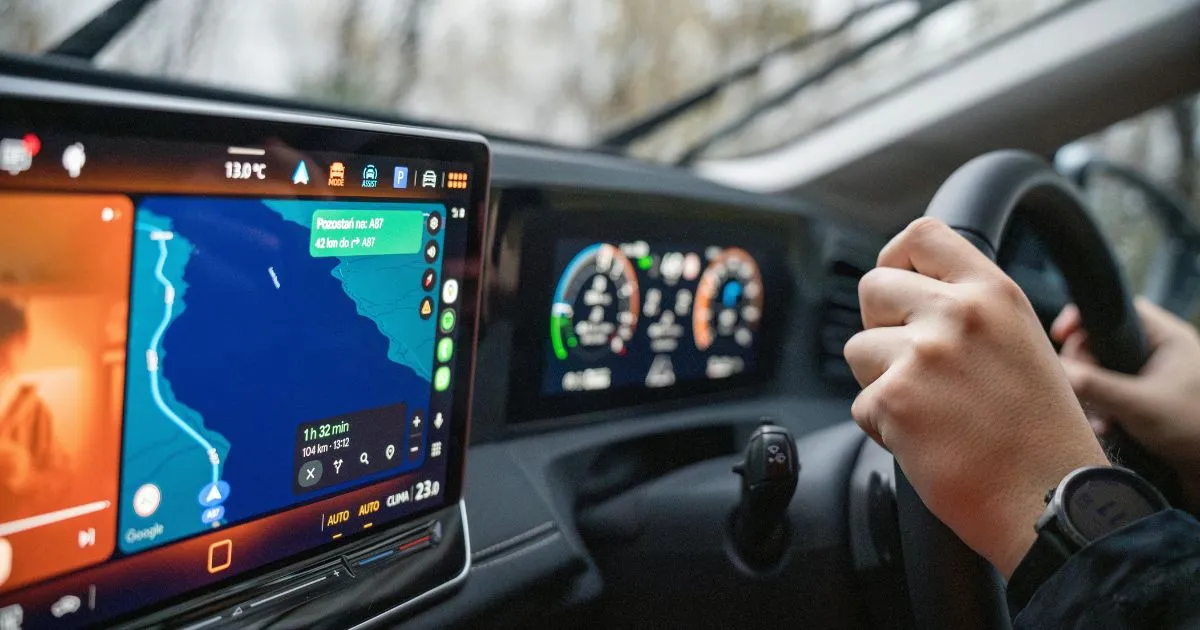
For organisations managing multiple vehicles, implementing a reliable vehicle gps tracker enables real-time visibility of driver location, parking duration, and route efficiency (all of which contribute to smarter parking utilisation and reduced operational waste).
Even at the individual fleet levels, the data could be leveraged by the local councils themselves to understand the patterns of flow more clearly. If you know exactly where your traffic is building and for how long, you could prepare your zoning or time requirements more appropriately. There is an opportunity to develop a better picture of the environment.
By using these tools, businesses can optimise their dispatch processes, ensuring drivers are not just wandering into high-congestion zones without a plan. This level of oversight turns a chaotic search for a park into a streamlined and predictable part of the workday.
How Smart Parking Reduces Congestion and Emissions
The environmental logic here is quite simple: the less time we spend hunting for a park, the less fuel we burn. It is an easy win for sustainability goals. When drivers are directed straight to an available bay, the "stop-start" nature of urban driving, which is notoriously heavy on emissions, is significantly reduced.
Research highlighted by Parkington suggests that smart technology can reduce search times by up to 40%. This has a direct, positive impact on local air quality. For businesses, this is not just about being "green" but about the bottom line.
By virtue of reducing the kilometers spent idling on the road, fuel savings are a given and directly fall into line with the ESG criteria of modern companies in Australia.
Environmental and Economic Benefits
Smart parking provides a double benefit to those involved. It saves money for commercial organizations in terms of transport cost by cutting down on wasted hours. Also, it will assist the government in its strategy to improve transport by enhancing air quality and combating the heat-island phenomenon resulting from crowded roads. It is a unique situation in which economic viability and environmental health walk hand in hand.
Data-Driven Decision Making for Councils and Developers
For urban planners and developers, a treasure trove of aggregated data on how vehicles move can be a valuable resource. No longer must developers guess how many parking spaces are required for a new development.
By learning how people are currently using the space provided, developers can more intelligently plan the layout of the space in order to maximise the use of the area and ensure that it is not squandered under an ineffective plan. Such data can also be useful in making councils more flexible in their pricing strategies by allowing for flexible pricing mechanisms that promote turnover in such areas.
In addition, considering the use of this data in the future, we must consider the placement of EV charging infrastructure. One would intuitively place them in areas where cars are already parked for long periods of time, and only through analysis would you be able to determine the "sweet spot" for placing the charging units.

The Future of Urban Parking: Integrated Mobility Networks
In the future, parking will certainly not exist on its own. Instead, parking is likely to become an essential part of the Mobility as a Service (MaaS) world. What would you think if you downloaded an application that lets you plan your entire journey? The application would advise you on how early to leave, book a parking spot with an EV charging point, and also check the local train schedule just in case.
Finally, when autonomous vehicles are at last included in the mix, the whole parking concept will again be redefined. Cars might drop us off and then find a remote, high-density "holding zone" until we need them again. We are moving toward a future where parking technology is just one cog in a much larger and more intelligent smart city machine that prioritises human movement over vehicle storage.
Smarter Parking is Smarter Cities
At the end of the day, parking inefficiency is like a silent tax on productivity and on the planet. It is apparent that technology, particularly the transparency offered by GPS, is the solution in terms of how to live with our increasingly crowded streets.
Those organisations and councils who begin to incorporate these data-led approaches are not simply relieving a logistics headache, but are unlocking a massive operational advantage whilst making our cities more liveable. The future of the "smart city" depends on our capacity to stop searching and start arriving.
 **Daniel Battaglia, Parking Made Easy:** As part of the Parking Made Easy team with the assistance of Generative AI,
 Find Parking With Us Today!


Helpful Blogs
Parking Near Me
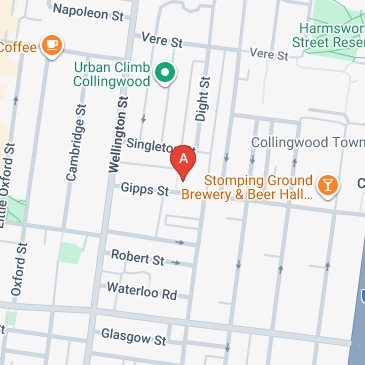
- Looking for long term monthly parking in Collingwood
- Secure garaged parking near tram
- Kennedys Welding Supplies | Premium Welding & Tools Shop in Hobart, TAS
- Undercover Basement Parking - SUV / 4WD - South Yarra Secure, undercover basement parking space available now at 7 Claremont Street, South Yarra Non-stacker (easy access) Suitable for SUV / 4WD 24/7 access Secure building with remote entry $390
- Secure parking Astral double gate
Popular Places
- North Sydney Station, Blue St, North Sydney NSW 2060, Australia
- Brisbane Convention & Exhibition Centre, Grey St, South Brisbane QLD 4101, Australia
- Berry Springs Nature Park, Berry Springs Nature Reserve, Berry Springs NT 0837, Australia
- Warndoolier, 60 Joel Terrace, Mount Lawley WA 6050, Australia
- Rathmines Road Reserve, 169 Rathmines Rd, Hawthorn East VIC 3123, Australia
Share