Avoiding Common Traps When Buying a Used Car in South Australia
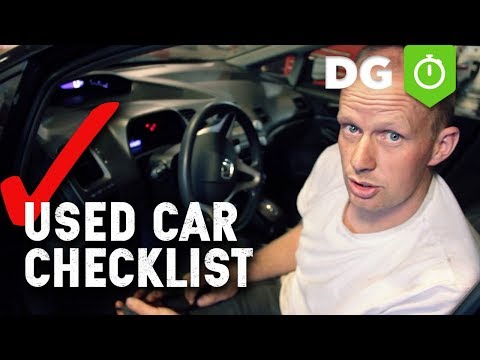
South Australian buyers should know their rights and responsibilities to avoid costly mistakes when purchasing a second-hand car in Australia.
South Australia (SA) has its own rules and quirks when it comes to used car sales.
This guide will walk you through the most common legal, financial, and mechanical pitfalls – and how to avoid them – whether you’re buying privately or from a licensed dealer.
We’ll also highlight what’s unique about buying in SA (like the lack of mandatory roadworthy inspections for private sales) and share current advice from Consumer and Business Services SA (CBS), the RAA, and Service SA to help you make a wise purchase.
Legal Differences: Private Sales vs. Dealer Sales
One of the first things to understand is the difference in protections when buying from a private seller versus a licensed dealer. In a private sale, “buyer beware” applies — once you pay and take the car, you generally have no warranty or legal recourse if problems arise. The seller is not required to fix or disclose defects (as long as they don’t misrepresent the car), so all due diligence falls on you.
Licensed dealers in SA, however, must comply with the Second-hand Vehicle Dealers Act, which provides important protections. Dealers should only sell roadworthy cars and must disclose known major defects or if the vehicle has been written off or flood damaged. They must also provide a written contract and a signed “Section 16” display sheet outlining key details and any warranty. Read more about dealers’ responsibilities.
Statutory warranties may apply to dealer sales. For example, cars over $6,000 usually come with a 3-month or 5,000 km warranty, and cars priced $3,001–$6,000 get 2 months or 3,000 km, provided the vehicle is under 15 years old and below 200,000 km. Older or cheaper cars may not qualify, but dealers must still ensure they are roadworthy at sale.
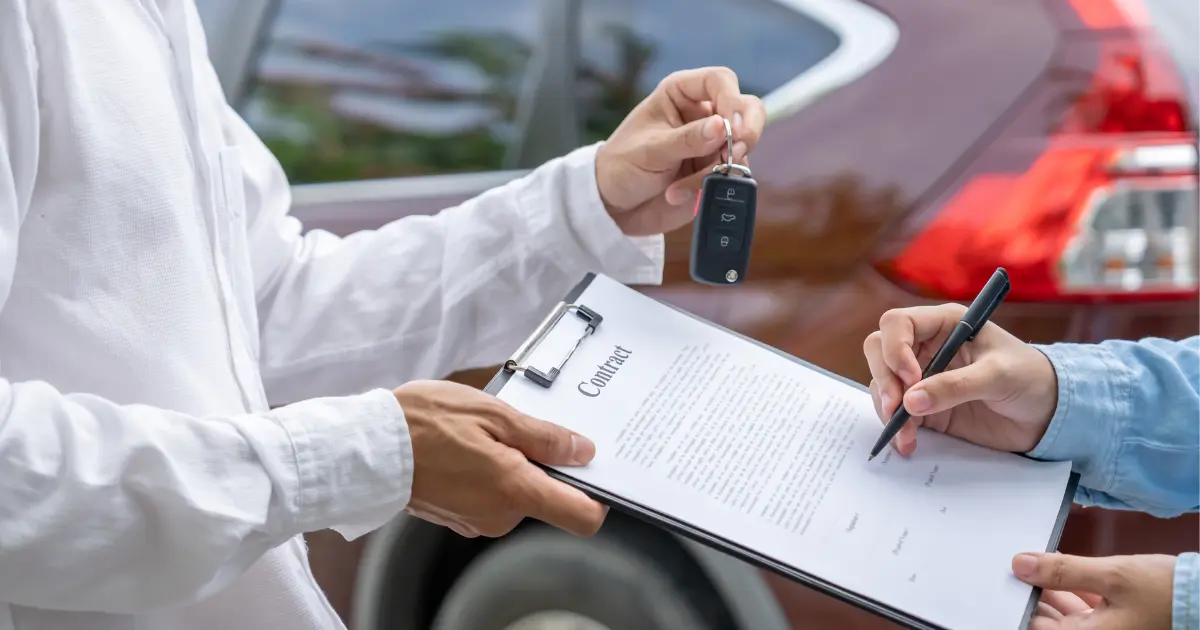
Another key protection is the cooling-off period. In SA, you have two business days to cancel a dealer purchase, as long as the car stays with the dealer and you notify them in writing. The dealer may keep up to 2% or $100 of your deposit (whichever is less), but must refund the rest. Dealers cannot pressure you to waive this right. Private sales have no cooling-off period.
Finally, avoid unlicensed or “backyard” sellers. Anyone selling more than four cars in a year must be licensed. Buying from unlicensed sellers means you miss out on dealer protections.
Mechanical Pitfalls: Avoiding a Lemon in SA
South Australia has no mandatory roadworthy inspection for private car sales, which buyers must understand. Unlike states such as Victoria, a private seller in SA can legally sell a car “as is” without any inspection. This means a vehicle could be unroadworthy or hiding serious faults and still be sold legally. In fact, officials warn that some sellers bring cars into SA from interstate because they wouldn’t pass roadworthy tests elsewhere. The responsibility is entirely on the buyer to ensure the car is mechanically sound.
Suburbs around Adelaide, including Salisbury, Elizabeth, and Port Adelaide, are known hotspots for cheap private listings. While some deals are genuine, CBS SA warns that unroadworthy or poorly maintained cars are sometimes brought into the state to exploit the lack of inspection requirements.
Always take the car for a proper test drive and arrange an independent mechanical inspection. Don’t just drive around the block — test it cold, at highway speeds, under braking, and on corners. Check the AC, electronics, lights, and gauges. If you’re not confident, book a pre-purchase inspection with a mechanic or the RAA.
Watch for issues like engine or transmission faults, oil leaks, overheating, rust, structural damage, and worn brakes or tyres. Some sellers may hide problems by clearing warning lights or topping up fluids, but a mechanic can scan for error codes and signs of neglect. Also check for accident or flood damage, such as musty smells, silt, mismatched paint, or weld marks. Dealers must disclose write-offs or flood damage, but private sellers may not, so always run a PPSR check to see if the car has been written off or reported stolen.
Ask for service records to verify mileage and maintenance. If anything seems suspicious, walk away — it’s better to miss a bargain than buy a car with hidden problems.
If you’re shopping for a used car in Adelaide or nearby SA areas, start with platforms like TradingPost and Gumtree SA for private and dealer listings. Carsales and Drive are also useful for comparing prices and filtering options. Wherever you search, always arrange a test drive and consider a pre-purchase inspection to avoid costly mistakes.
Financial Pitfalls and Hidden Costs
Beyond the purchase price, there are several financial risks to watch out for. First, always confirm the car is free of debt. Many vehicles are bought on finance, and if money is still owed, the debt stays with the car. This means it could be repossessed even after you’ve paid for it. The safest way to protect yourself is by running a PPSR check (formerly REVS).
For a small fee, a PPSR search using the VIN will show if the car has money owing, is reported stolen, or has been written off. Also verify ownership by checking that the name on the registration matches the seller’s ID. If it doesn’t, you may not be dealing with the true owner. Never agree to “fix the paperwork later” — insist the registered owner completes the transfer with you.
Next, consider the true cost of buying and owning the car. Set a firm budget and allow for stamp duty, transfer fees, registration, and insurance on top of the sale price. In SA, you must pay stamp duty based on the car’s value, plus a transfer fee (around $31). On a $10,000 car, stamp duty can add several hundred dollars — use the RevenueSA calculator for exact figures. If buying from a dealer, check whether the price is “drive-away” or excludes on-road costs.
If the registration is about to expire, budget for renewal. If the car is unregistered, you’ll need to pay for new registration, CTP insurance, and possibly new plates before driving it. In most cases, standard cars in SA do not require a roadworthy inspection to transfer or re-register, unless it’s a heavy vehicle or trailer over 4.5 tonnes.
Also plan for immediate maintenance costs. Even good used cars may need tyres, brakes, battery replacement, or servicing. Keep a buffer for repairs so you’re not driving an unsafe car. Insurance should also be factored in — some models are costly to insure, so get a quote before buying and arrange cover from the moment you take possession.
Complete the paperwork on time. You must transfer registration into your name within 14 days, or you may face a late fee of around $105. Transfers can be done online via mySA GOV or in person at Service SA. As the buyer, you are responsible for lodging the transfer and paying the fees. Always get a receipt or proof of purchase, especially for private sales, to avoid disputes later.

Unique South Australian Considerations
Every state has different car buying rules, and South Australia is no exception. Here are key SA-specific points to remember:
- No Mandatory Roadworthy for Sales: SA does not require a roadworthy certificate for private car sales. While the car must be roadworthy to be legally driven, there is no formal inspection during the sale. This puts full responsibility on the buyer to check the vehicle. Always assume the car hasn’t been inspected unless you arrange it yourself.
- Interstate Vehicles: If you buy a car from interstate or bring one into SA, you have three months to register it locally. SA does not require a roadworthy inspection for interstate registration either — only a basic identity check to verify the VIN and engine number. This means interstate vehicles may also have unchecked issues. Apply the same (or greater) diligence when buying interstate. You’ll need to surrender the old plates and will be issued SA plates once registration is complete.
- Vehicle History and Write-offs: SA participates in the national Written-Off Vehicle Register (WOVR). If a car has been statutorily written-off (e.g., severe crash or flood damage), it generally cannot be re-registered for road use. A licensed dealer must inform you if a car is on the WOVR as a repairable write-off. A PPSR check is crucial to see if the car has a write-off history.
- Stamp Duty and Fees: South Australia charges vehicle stamp duty on a sliding scale based on value (around 4% for most cars, but check current rates). This is a one-time fee paid at transfer.
- No Annual Inspections: Once registered, you only need to renew the rego. While convenient, this means staying on top of maintenance is your responsibility, as there are no routine inspections.
- CBS Guidance: Consumer and Business Services (CBS) offers resources for car buyers and advises taking your time and avoiding pressure.
Buying a used car in South Australia can be safe and rewarding if you follow these steps. By understanding your legal protections, checking the car’s history and condition, and completing the paperwork correctly, you can avoid the most common pitfalls.
 **Daniel Battaglia, Parking Made Easy:** As part of the Parking Made Easy team with the assistance of Generative AI,
 Find Parking With Us Today!


Helpful Blogs
Parking Near Me
Popular Places
- North Sydney Station, Blue St, North Sydney NSW 2060, Australia
- Brisbane Convention & Exhibition Centre, Grey St, South Brisbane QLD 4101, Australia
- Berry Springs Nature Park, Berry Springs Nature Reserve, Berry Springs NT 0837, Australia
- Warndoolier, 60 Joel Terrace, Mount Lawley WA 6050, Australia
- Rathmines Road Reserve, 169 Rathmines Rd, Hawthorn East VIC 3123, Australia
Share