Why Clear Communication Is the Foundation of Effective Parking Management
The most common parking problems share a single root cause. Poor communication. Visitors park in resident spaces because signage is unclear. Residents ignore new rules because updates never reached them. Delivery drivers block access points because no one told them where to go.
These failures cost more than frustration. They consume management time, generate complaints and create conflicts between neighbours and tenants. In severe cases, they expose properties to liability when safety information goes unseen.
The good news is that communication problems have communication solutions. Properties that invest in clear, consistent information systems experience fewer disputes, smoother operations and higher satisfaction among all users. Understanding what works helps managers build systems that prevent problems rather than merely responding to them.
The Cost of Confusion
Unclear parking communication creates cascading problems that extend far beyond the immediate inconvenience.
When visitors cannot find designated parking, they make improvised decisions. They park in resident spaces. They block fire lanes. They occupy accessible spots without permits. Each incorrect choice triggers consequences that management must address.
Residents who feel their spaces are vulnerable become territorial. They leave notes on vehicles. They complain repeatedly to management. They confront strangers in carparks. The social atmosphere of the property deteriorates.
Staff time disappears into dispute resolution. Instead of proactive management, administrators spend hours mediating conflicts that better communication would have prevented. The opportunity cost is significant even when hard to quantify.
Properties with chronic parking confusion also struggle to attract and retain quality tenants. Both residential and commercial occupants value well-managed facilities. Parking chaos signals broader operational problems that concern prospective tenants evaluating their options.
Signage That Actually Works
Effective parking signage follows principles that seem obvious but are frequently violated in practice.
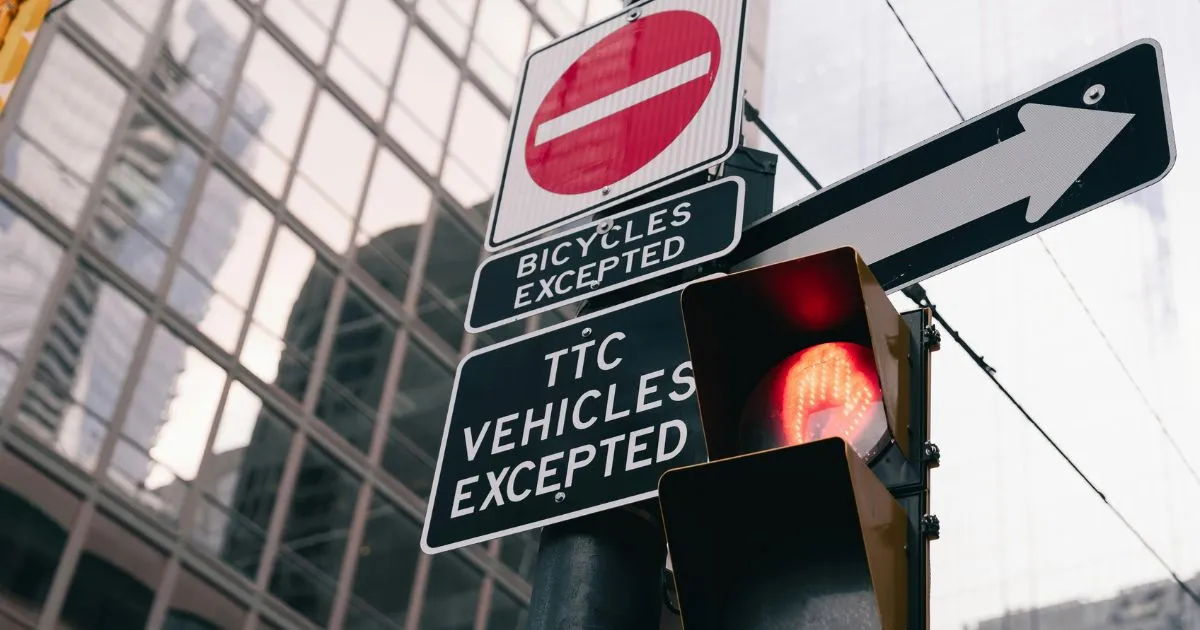
Visibility comes first. Signs must be positioned where drivers naturally look while making decisions. This means anticipating sight lines and decision points rather than placing signs where installation is convenient.
Timing matters as much as placement. Information needed before entering a facility belongs at the entrance. Information about specific bays belongs at those bays. Sequencing guidance so drivers receive information when they need it reduces confusion and non-compliance.
Simplicity improves comprehension. Signs attempting to communicate too much communicate nothing effectively. Short messages with clear hierarchy work better than comprehensive paragraphs that no one reads while driving.
Consistency builds understanding. When similar situations receive similar signage across a facility, users learn the system quickly. Inconsistent approaches force users to interpret each sign individually, increasing cognitive load and error rates.
Maintenance preserves effectiveness. Faded signs, obscured signs and damaged signs communicate neglect regardless of their content. Regular audits ensure that signage infrastructure continues functioning as intended.
Central Communication Points
Beyond directional signage, properties need mechanisms for communicating updates, policies and time-sensitive information to regular users.
Entrance areas serve as natural communication hubs. Residents and regular visitors pass through these spaces daily. Information displayed prominently in high-traffic locations reaches the maximum audience with minimal effort.
A well-positioned lockable notice board in common areas allows management to post parking updates, temporary restrictions and policy reminders where residents will see them. The lockable element prevents unauthorized postings that clutter boards and dilute important messages. This controlled communication channel ensures that official information remains visible and credible.
The content displayed matters as much as the display itself. Outdated notices undermine trust. Cluttered boards overwhelm readers. Regular curation keeps communication channels effective.
Effective notice management follows a simple discipline. Remove outdated content promptly. Prioritise current information visually. Date all postings so readers can assess relevance. Review boards weekly to ensure they serve their purpose.

Digital Complements to Physical Systems
Digital communication channels extend reach without replacing physical infrastructure. Email lists, building apps and SMS notifications allow time-sensitive updates to reach users wherever they are.
These channels work best for information that changes frequently. Temporary closures. Maintenance schedules. Enforcement warnings. The immediacy of digital communication suits messages that require prompt awareness.
Physical signage remains essential for information needed at the point of decision. A driver entering a facility cannot check email to determine where visitor parking is located. The sign must be there, visible and clear.
The most effective properties layer these approaches. Permanent physical signage handles stable information. Notice boards communicate medium-term updates. Digital channels deliver time-sensitive alerts. Each channel serves its purpose without attempting to replace the others.
Integration between channels reinforces messages. An email about new parking rules gains impact when supported by updated signage and notice board postings. Redundancy ensures that users encounter important information through multiple touchpoints.
Visitor Management Communication
How properties communicate with visitors reveals operational maturity. Clear visitor guidance creates positive first impressions while preventing the access problems that generate complaints.
Pre-arrival information helps visitors plan. What parking is available? Where should they go? Are there time limits or registration requirements? Answering these questions before arrival prevents confusion upon entry.
Arrival signage guides immediate decisions. Clear pathways to visitor parking. Obvious registration instructions if required. Visible time limits and restrictions. The few seconds of initial orientation shape the entire visit experience.
Registration systems require clear explanation. If visitors must display permits, sign in at reception or use digital check-in, instructions must be unmistakable. Complexity that seems manageable to regular users often confuses first-time visitors.
Exit information matters more than many properties recognise. Payment instructions if applicable. Directions to exits. Reminders about belongings. The departure experience affects overall impression nearly as much as arrival.
Enforcement Communication
Even the clearest communication systems require enforcement mechanisms. The challenge is enforcing fairly while maintaining positive relationships with property users.
Warning before penalty reflects reasonable expectations. First-time violations often result from confusion rather than intentional non-compliance. A warning notice that explains the problem and correct behaviour gives users an opportunity to adjust.
Consistent enforcement builds credibility. Rules applied selectively lose authority. Users who observe inconsistent enforcement lose respect for the system and feel license to make their own judgments about compliance.
Documentation protects all parties. Records of violations, warnings and penalties provide evidence if disputes escalate. Photographic documentation of violations supports enforcement decisions when challenged.
Communication about enforcement should be calm and factual. Hostile language escalates conflicts. Professional notices that state facts and consequences without emotional charge maintain appropriate tone while delivering necessary messages.
Special Circumstances Communication
Regular operations require clear baseline communication. Special circumstances require additional systems to prevent problems during unusual situations.
Construction and maintenance periods demand proactive communication. Which areas are affected? What alternatives exist? How long will disruptions continue? Users who understand the situation accommodate temporary inconvenience more gracefully than those surprised by unexpected closures.
Events that increase parking demand need advance planning and communication. Where should additional vehicles park? What temporary arrangements apply? How will regular users be accommodated? Clear communication prevents the chaos that overwhelms facilities during high-demand periods.
Emergency information must be visible and current. Evacuation routes. Assembly points. Emergency contact numbers. This information serves critical safety functions and should be reviewed regularly to ensure accuracy.
Seasonal changes affect some facilities significantly. Properties in areas with extreme weather may need winter-specific guidance. Those with seasonal population fluctuations may need adjusted systems during peak periods.
Building a Communication Culture
Effective parking communication is not a one-time project but an ongoing operational function. Properties that excel treat communication as continuous responsibility rather than occasional tasks.
Regular audits identify gaps and problems. Walk the facility as a first-time visitor would. Note where confusion might arise. Check that all signage remains visible and accurate. These reviews should happen quarterly at minimum.
Feedback channels allow users to report problems. Some properties include communication suggestions in regular surveys. Others provide specific mechanisms for parking feedback. Whatever the approach, listening to users reveals problems that management might not otherwise notice.
Continuous improvement compounds over time. Each small enhancement reduces friction. Accumulated improvements transform chaotic facilities into smoothly operating ones. The investment in communication infrastructure pays dividends through reduced complaints, fewer disputes and improved user satisfaction.
The properties that manage parking best are those that recognise communication as foundational rather than supplementary. Clear information prevents problems. Preventing problems saves time and money. Saved time and money enable investment in further improvements. The cycle reinforces itself.
Good parking management starts with good communication. Everything else follows.
 **Written by Daniel Battaglia:** As the author of
 Find Parking With Us Today!

Helpful Blogs
Parking Near Me
Popular Places
- North Sydney Station, Blue St, North Sydney NSW 2060, Australia
- Brisbane Convention & Exhibition Centre, Grey St, South Brisbane QLD 4101, Australia
- Berry Springs Nature Park, Berry Springs Nature Reserve, Berry Springs NT 0837, Australia
- Warndoolier, 60 Joel Terrace, Mount Lawley WA 6050, Australia
- Rathmines Road Reserve, 169 Rathmines Rd, Hawthorn East VIC 3123, Australia
Share