Finding the Perfect Parking Spot is a Calculated Risk

Every driver knows the feeling: circling a packed lot, eyes scanning for that elusive open space. Whether you’re threading through city streets or vying for a prime spot at a crowded event, finding parking quickly turns into a personal challenge.
It’s not just about luck. Scoring the best spot means reading subtle cues, making snap decisions, and sometimes taking bold risks. Do you wait near the entrance or head straight for the back row?
This article looks beneath the surface of every parking hunt. We’ll break down the hidden strategies, psychological factors, and evolving tools that shape your search—and how thinking ahead can tip the odds in your favor.
Parking and probability: the odds of scoring a great spot
Scoring a parking spot in a busy city feels like a strange mix of math, instinct, and wishful thinking.
I’ve seen drivers circle the same block three times, convinced the perfect space is just about to open up. Others gamble on a hunch—waiting behind someone who’s fumbling with groceries, hoping they’ll leave soon.
What’s really at play here is probability. Every choice—whether to keep searching or settle for a spot farther away—is shaped by our personal tolerance for risk, our estimate of how much time we have to spare, and how much we value convenience over certainty.
There’s psychology behind these micro-decisions. Some folks take big risks for the hope of snagging that ideal space close to their destination. Others weigh their options like seasoned strategists, calculating walking distance against precious minutes lost in traffic.
The process isn’t so different from making an informed wager. In both cases, you’re working with incomplete information and trying to stack the odds in your favor.
If you’ve ever studied smart betting, you know the power of strategy and timing. The same principles apply to parking: assessing risk, playing probabilities, and sometimes knowing when to quit while you’re ahead.
Ultimately, finding that dream spot isn’t just luck—it’s about reading the situation and making choices that tilt things your way.
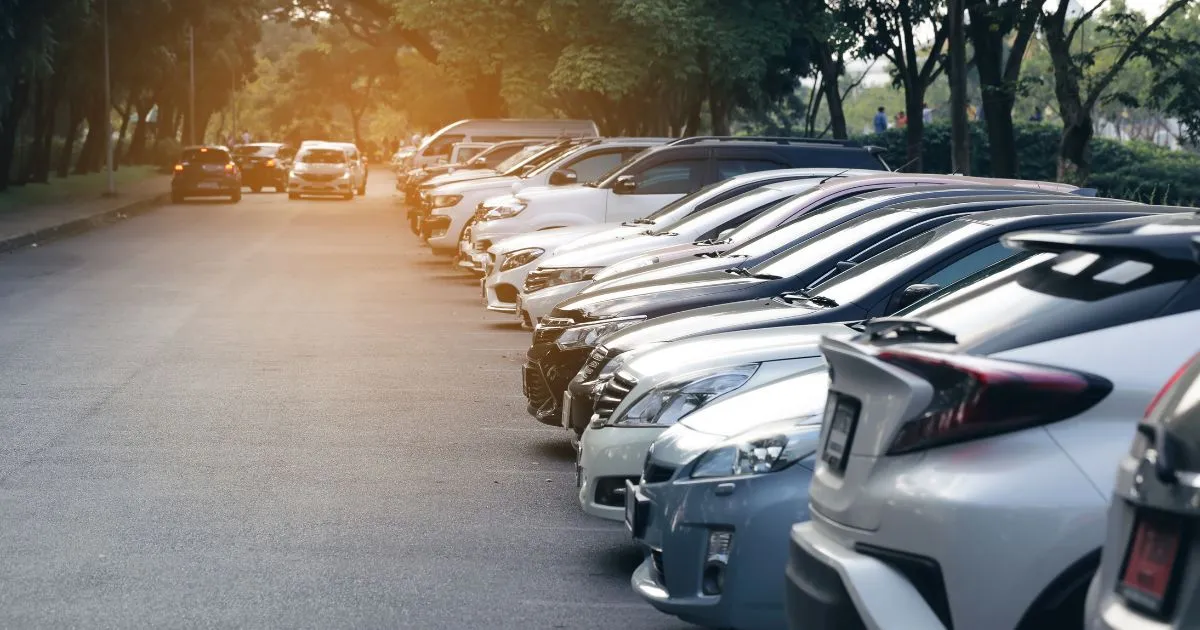
The science of parking: data, tech, and urban design
Landing a good parking spot once depended mostly on luck and timing.
Now, data and technology are turning that old guessing game into something closer to a calculated process.
Mobile apps, digital sensors, and adaptive pricing have started to remove much of the frustration drivers face when searching for a space.
Cities are also rethinking their layouts, using analytics to design streets and lots that better fit modern needs.
When you bring together real-time information, smarter infrastructure, and better incentives, finding parking becomes less about chance and more about strategy.
Parking apps and real-time data
I remember the days of circling city blocks hoping someone would leave at just the right moment.
Today’s parking apps take out most of the guesswork by showing you available spaces before you arrive.
These platforms use real-time updates pulled from street sensors or lot operators to keep availability accurate down to the minute.
This means less time spent driving in circles—and far less stress before an important meeting or event.
I’ve personally used apps in places like Toronto’s busy downtown core and been surprised at how much faster I find parking compared to old-school methods.
Smart cities and sensor networks
Cities are now investing in sensor networks embedded in streets and garages to track open spots as they become available.
This data feeds not only into consumer apps but also into city dashboards that help urban planners adjust traffic flow in real time.
I’ve seen this firsthand in places like Singapore, where digital signage directs drivers to open garages—cutting down on unnecessary cruising that clogs up main roads.
The result is smoother commutes for everyone, fewer emissions from aimless searching, and neighborhoods that feel less chaotic even during peak hours.
Risk vs. Reward: The psychology of parking decisions
Every time you circle a crowded lot or weigh the odds of an open space ahead, you’re making choices shaped by psychology as much as practicality.
Some drivers bank on pure luck and take bold risks for a coveted spot right by the entrance, even if it means waiting longer or making multiple passes.
Others settle quickly, avoiding the gamble to save time and spare their nerves. I’ve noticed friends who treat parking like a high-stakes game—never satisfied unless they win the “best” spot.
This risk-taking mirrors broader patterns in decision-making. Overconfidence can lead to unnecessary delays, while fear of missing out sometimes pushes us to chase a spot that might never materialize.
Ultimately, your parking style says more about your approach to risk than you might think—and these micro-decisions reveal plenty about how we all weigh reward against regret.
The gambler’s fallacy and parking
The gambler’s fallacy is alive and well in the world of parking. Drivers often believe that after circling for several minutes without luck, their chances must be about to improve.
I’ve caught myself thinking, “It’s got to open up soon—I’ve been waiting too long for it not to.” Of course, each lap around the block is independent of the last; no hidden force is about to tip the odds in your favor.
This kind of thinking leads many people to spend far more time searching than logic would suggest is worthwhile. It’s easy to get stuck in a loop chasing that elusive payoff because we’re wired to look for patterns—even when none exist.
Stress, patience, and parking outcomes
Parking success isn’t just about timing—it’s about temperament. High stress levels can push people into making snap decisions they later regret, like grabbing a far-off space just to end the ordeal.
I’ve watched impatient drivers bolt at the first hint of an opening, while those willing to wait a few extra moments often snag better spots with less frustration.
Patience pays off but only up to a point. Too much hesitation can turn into missed opportunities or increased stress if nothing opens up. In cities like Tokyo or Toronto, where competition is fierce, knowing your limits keeps both your mood and your plans on track.
The future of parking: automation, sharing, and sustainability
Parking is undergoing a major transformation as cities rethink how space is used and technology continues to advance.
We’re seeing the rise of autonomous vehicles, car-sharing services, and new parking concepts that are far more efficient than the old asphalt sprawl.
Instead of circling the block or staking out crowded lots, tomorrow’s drivers may simply step out and let their vehicle park itself—or skip owning a car altogether and use an on-demand service.
Urban planners are also pushing for greener, smarter infrastructure that balances convenience with environmental responsibility.
The result could be less traffic congestion, lower emissions, and city streets reclaimed for people instead of parked cars.
Autonomous vehicles and self-parking tech
The dream of letting your car drop you off at your door while it hunts for a spot is closer than many realize. Automated parking systems already exist in some high-density areas where every inch counts.
Self-driving cars promise to make this experience mainstream by handling tight maneuvers in compact garages or lots without human help. In my view, this could reduce stress for anyone who dreads parallel parking on busy streets.
What impresses me is how these systems can stack or shuffle cars far more efficiently than people ever could. For dense urban neighborhoods where space is at a premium, that’s a potential game changer.
Sustainable parking solutions
Environmental concerns are leading to smarter parking design. Many new developments now include permeable paving that absorbs rainwater rather than channeling it into storm drains.
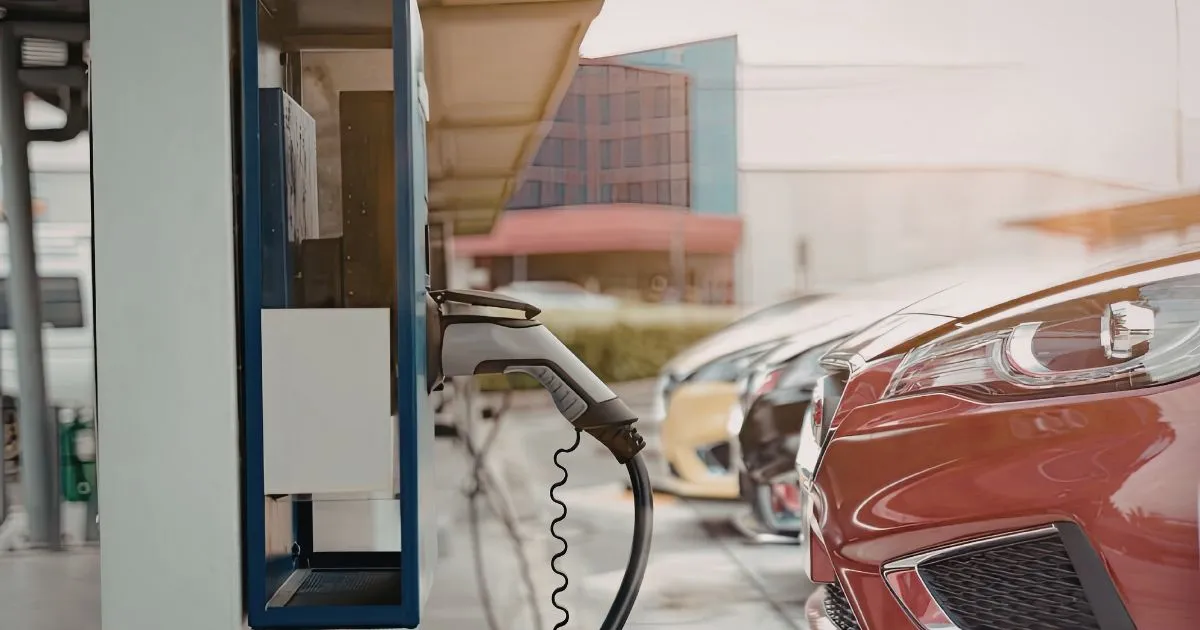
You’ll also spot electric vehicle charging stations popping up everywhere from shopping centers to office buildings. These aren’t just perks—they’re becoming essential as EV adoption accelerates.
I’ve seen cities turn drab lots into small parks or community spaces by weaving in native plants or trees. It’s an approach that makes parking less of an eyesore while helping manage heat and pollution in crowded downtowns.
Conclusion
Landing that coveted parking spot is rarely just a stroke of good luck.
It’s a real-world equation that brings together quick thinking, gut instinct, and a bit of strategy shaped by city life and modern tech.
From reading other drivers to using the latest parking apps, today’s choices echo patterns you’d find in any calculated risk.
As urban areas continue to change, new solutions will take some of the guesswork out of parking and give us more control over where—and how—we stop.
The perfect spot might stay elusive, but with smarter moves, your odds keep getting better.
 **Daniel Battaglia, Parking Made Easy:** As part of the Parking Made Easy team with the assistance of Generative AI,
 Find Parking With Us Today!


Helpful Blogs
Parking Near Me
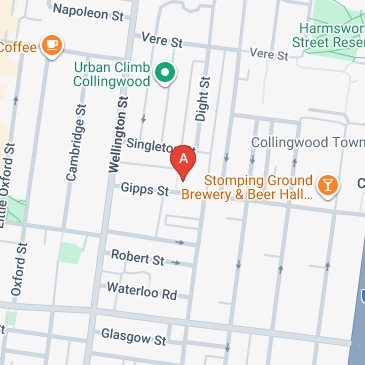
- Looking for long term monthly parking in Collingwood
- Secure garaged parking near tram
- Kennedys Welding Supplies | Premium Welding & Tools Shop in Hobart, TAS
- Undercover Basement Parking - SUV / 4WD - South Yarra Secure, undercover basement parking space available now at 7 Claremont Street, South Yarra Non-stacker (easy access) Suitable for SUV / 4WD 24/7 access Secure building with remote entry $390
- Secure parking Astral double gate
Popular Places
- North Sydney Station, Blue St, North Sydney NSW 2060, Australia
- Brisbane Convention & Exhibition Centre, Grey St, South Brisbane QLD 4101, Australia
- Berry Springs Nature Park, Berry Springs Nature Reserve, Berry Springs NT 0837, Australia
- Warndoolier, 60 Joel Terrace, Mount Lawley WA 6050, Australia
- Rathmines Road Reserve, 169 Rathmines Rd, Hawthorn East VIC 3123, Australia
Share