Parking like a strategist: when to hold and when to fold

Parking goes far beyond grabbing the first open space you see. It’s a real-world decision-making challenge, played out every day in crowded lots and on busy streets.
The best parkers think like poker players. They read the situation, weigh their odds, watch for signals from others, and decide whether to play it safe or take a risk for that coveted spot near the entrance.
This article shows how bringing a poker-inspired mindset to parking can give you an edge. You’ll learn how to assess your environment, spot hidden opportunities, know when patience pays off, and—most importantly—recognize when it’s time to move on.
If you’ve ever felt the frustration of circling the block or missed out on a perfect space by a second, strategic parking may change your luck.
Mastering the odds: what poker can teach us about parking decisions
Parking in a busy area is never just about luck. Much like at a poker table, success comes down to making good reads, acting at the right moment, and being comfortable with uncertainty.
In both games, your first step is sizing up the situation. Are you arriving during peak hours? Are there more players (drivers) in the lot than available spots? Recognizing patterns and timing your moves lets you edge out rivals who are simply hoping for good fortune.
The best parkers play a calculated game. Sometimes it’s worth circling once or twice if you sense a spot might open up. Other times, folding early and going for a less popular section saves time and stress. It’s all about knowing when to commit—and when to walk away before you’re trapped in endless loops.
Reading your “opponents” can pay off too. Just as poker players spot tells, drivers who slow down near an aisle or signal early often reveal their intentions. A well-timed approach can snag a prized space while others hesitate.
If you’re interested in sharpening these instincts beyond parking, platforms like Pokerio Mokykla are packed with strategy tips and decision-making exercises that apply both on the felt and on city streets.
The overlap between poker and parking isn’t just clever theory—it’s a practical way to reduce frustration, save time, and come out ahead every day.
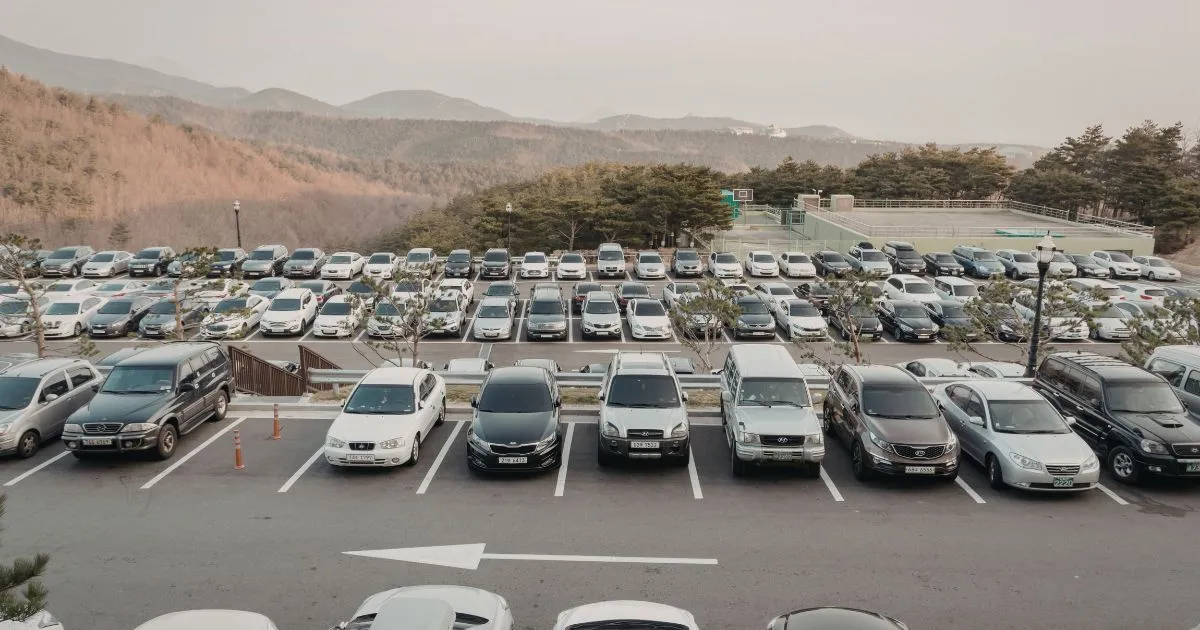
Assessing the parking table: reading the environment and your opponents
Every parking lot has its own rhythm, a subtle game of opportunity and competition. It’s not just about luck or patience—it’s about sizing up the situation with sharp observation.
Think of each parking scenario like a high-stakes poker table. The best spots go to those who read patterns, anticipate moves, and adapt on the fly.
If you want to come out ahead, you need to do more than circle aimlessly. Assess traffic flow, spot player types (from aggressive hunters to patient waiters), and recognize when the odds shift in your favor or against you.
The most successful parkers blend calculated risk with attention to detail—knowing when to make their move and when to fold for another chance.
Spotting high-value parking opportunities
The key to consistently finding great spots is becoming an expert observer. Start by watching which areas see cars leaving most often—a sign of higher turnover rates that can work in your favor.
Prioritize spaces close to entrances, but don’t overlook less obvious sections that clear out quickly during peak transition times (think lunchtime at a busy shopping center).
A recent urban parking behavior study analyzed how drivers improve their odds by focusing on these prime periods and locations. Timing your arrival just before common shift changes or event turnovers can tip the scales.
I’ve found that keeping mental notes on local patterns—like which rows empty out after 5 pm—gives you an edge over casual competitors who rely on luck alone.
Bluffing and body language: interpreting other drivers’ intentions
Just as poker players watch for tells, skilled parkers pay attention to how others move through the lot. Blinkers flicking on suddenly, slow rolling past a row, or hesitation at intersections all reveal intent.
If someone is inching forward while scanning side-to-side, they’re likely searching rather than leaving. On the other hand, drivers who stride confidently toward their car are probably about to free up a spot—making them worth trailing discreetly.
A study on driver communication cues highlighted how reading non-verbal signals leads to quicker decisions and better outcomes in competitive situations like crowded lots.
The bottom line: Pay attention not just to open spaces but also to the subtle signals other drivers send—you’ll be ready to act before anyone else even realizes what’s happening.
When to hold: the value of patience and position
It’s tempting to grab the first available spot, especially when you’re running late or feeling pressure from other drivers behind you.
But sometimes, waiting just a little longer or circling for one more round can land you a spot that saves time and stress later.
The real challenge is knowing when that patience pays off versus when it’s better to settle for what’s in front of you.
Think of it like holding out in poker for a strong hand. Good parking decisions often come down to reading the flow, timing your move, and staying cool under pressure.
Calculating your odds: time, distance, and convenience
A quick mental checklist can help you decide whether to wait for a closer spot or park farther away and walk.
Factor in how much time you have, how far you’re willing to walk, and how urgent your schedule is. Sometimes taking a slightly longer walk beats circling endlessly—especially if rain clouds are rolling in or appointments are tight.
The Evaluation of Parking Decision Processes study points out that drivers often weigh convenience against time spent searching before making their choice. That little calculation can keep your day running smoothly instead of spiraling into frustration.
The waiting game: how long is too long?
Everyone has a limit—even the most optimistic parker. It’s easy to fall into the trap of thinking “just one more lap” will bring success, but at some point, the effort outweighs the reward.
Set a mental timer before you start searching so you know when to cut your losses. I’ve found that having a pre-set limit helps avoid decision fatigue and keeps me from getting stuck chasing sunk costs—a phenomenon explored in Sunk Cost and Decision Fatigue in Daily Choices.
If 5-10 minutes pass with no luck or frustration creeps in, consider shifting strategy rather than doubling down on a losing approach. Your schedule—and sanity—will thank you later.
When to fold: recognizing a losing hand and moving on
There are days when the parking lot feels like a packed poker table—every seat taken, tension high, and your odds shrinking with each round.
Knowing when to quit and look elsewhere is not just smart; it’s essential for your time, stress level, and even your car’s safety.
I’ve found that stubbornly circling in hopes of a miracle spot rarely pays off. Instead, it’s often better to cut your losses and seek alternatives before frustration takes over.
Signs it’s time to leave: red flags in parking lots
Some warning signs should have you thinking twice about staying put. If you see a parade of cars endlessly circling or aisles blocked by frustrated drivers waiting for someone to back out, the chances of snagging a spot are slim.
Another giveaway is aggressive driving or honking—this tells me tempers are short and competition is fierce. According to Parking Lot Congestion Analysis, these conditions often signal high congestion that drastically lowers parking success rates.
If you’re seeing more frustration than open spaces, trust your gut—it’s probably time to move on.
Alternative strategies: off-site parking, apps, and pre-booking
If the lot looks hopeless, having backup options can make all the difference. I’ve saved myself countless headaches by using parking apps that show real-time availability or let me reserve a spot ahead of time.
Sometimes, an off-site lot—even if it means a short walk—saves both minutes and sanity. Pre-booking has become especially popular in busy European cities where demand can outstrip supply by midday.
The Adoption of Digital Parking Solutions highlights how more drivers now rely on smart tech for better parking outcomes. A little planning beats endless circling every single time.
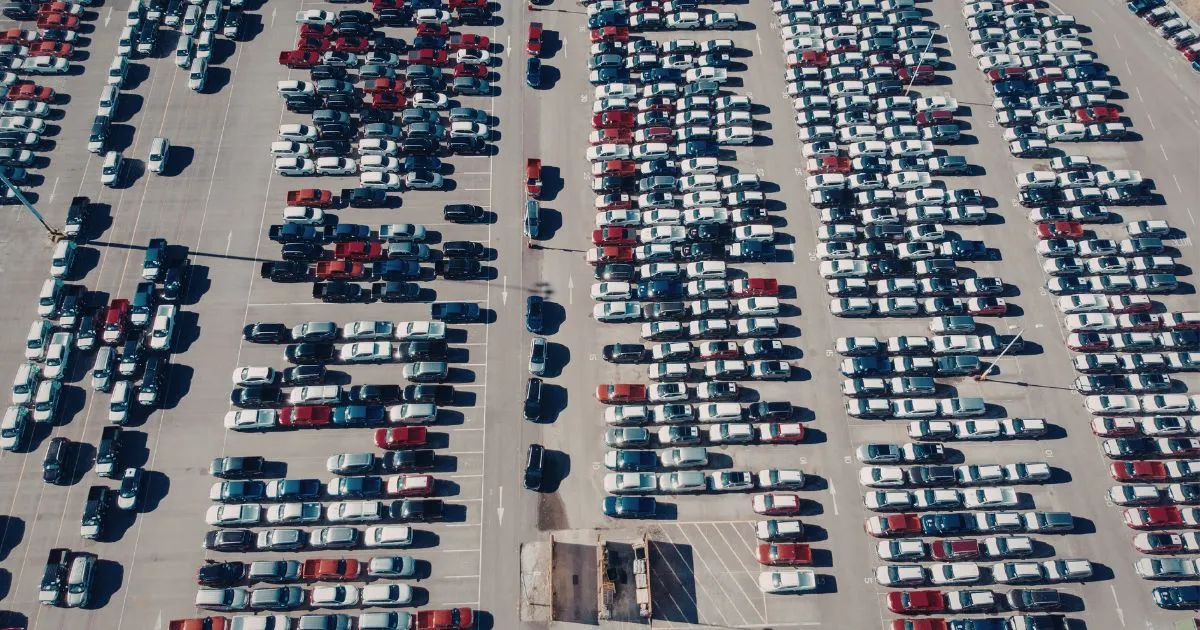
Sharpening your parking instincts: practice, tools, and mindset
The more I treat parking like a skill, the easier it gets to land a great spot—no matter the lot or time of day.
Like poker, parking rewards those who pay attention, keep calm under pressure, and adapt quickly when conditions change.
By combining street smarts with today’s tech, even the busiest urban lots feel less overwhelming and more manageable.
It all comes down to building instincts—drawing on past wins (and misses), learning from each attempt, and keeping your strategy flexible.
If you’re willing to experiment with new tools and reflect on your results, everyday parking hassles start turning into small victories.
Learning from experience: building your parking playbook
The best parkers don’t just rely on luck—they learn from every outing.
I’ve found that noting what worked (and what didn’t) in different locations gives me an edge next time around.
For example, maybe there’s a hidden side lot that empties faster after 5pm or a pattern to when street spaces open up near local cafés. Over weeks, these observations become your personal playbook.
A Learning and Adaptation in Parking Strategies study points out how consistent reflection leads to better choices and less frustration over time. Treat every attempt as data for the next one—you’ll notice real improvement before long.
Tech tools for strategic parkers
If I could give only one tip for modern drivers: use every digital advantage you can get. Navigation apps now show live occupancy stats for many lots—saving me countless wasted loops around full garages.
Some cities have sensors feeding real-time updates to parking apps or even smart signs at key intersections. That split-second information often lets me snag open spots while others are still guessing where to look.
The latest research on effectiveness of real-time parking tools confirms this—urban drivers with access to live updates cut their search times dramatically. Don’t hesitate to test out these options; they turn guesswork into a genuine advantage.
Conclusion
Parking well is never just a matter of good luck or sharp reflexes.
It’s a blend of patience, sharp observation, and knowing when to make your move—much like reading the table in poker.
The most successful parkers combine gut instinct with simple calculations and the right tech to spot their best play.
When you treat every lot as its own challenge and use the strategies we’ve covered, even the busiest day can feel less stressful.
Apply these practical lessons and you’ll find that getting a great spot feels less like gambling and more like a win you earned.
 **Written by Daniel Battaglia:** As the author of
 Find Parking With Us Today!
Helpful Blogs
Parking Near Me
Popular Places
- North Sydney Station, Blue St, North Sydney NSW 2060, Australia
- Brisbane Convention & Exhibition Centre, Grey St, South Brisbane QLD 4101, Australia
- Berry Springs Nature Park, Berry Springs Nature Reserve, Berry Springs NT 0837, Australia
- Warndoolier, 60 Joel Terrace, Mount Lawley WA 6050, Australia
- Rathmines Road Reserve, 169 Rathmines Rd, Hawthorn East VIC 3123, Australia
Share