A Guide to long term car storage melbourne: essentials

Got a car that's gathering more dust than kilometres? You're not the only one. Long term car storage in Melbourne is a genuinely smart move for modern city living, giving your vehicle a secure home when it’s not being used, usually for six months or longer.
Why Melbourne Drivers Need Long Term Car Storage
It’s easy to picture long-term car storage as something reserved for globe-trotters or collectors with pristine classics. The reality for many Melburnians, though, is much more down-to-earth. The way we live and work has changed, and with space at a premium, finding a safe spot for a car that isn't a daily driver just makes sense.
Think of it like putting your car into a "vehicle hibernation pod." You're not abandoning it; you're actively preserving its condition, security, and value until you're ready to hit the road again. It’s a proactive choice that saves you from the constant headache of street parking, the risk of damage from Melbourne's wild weather, and the slow decay that happens when a car is left neglected.
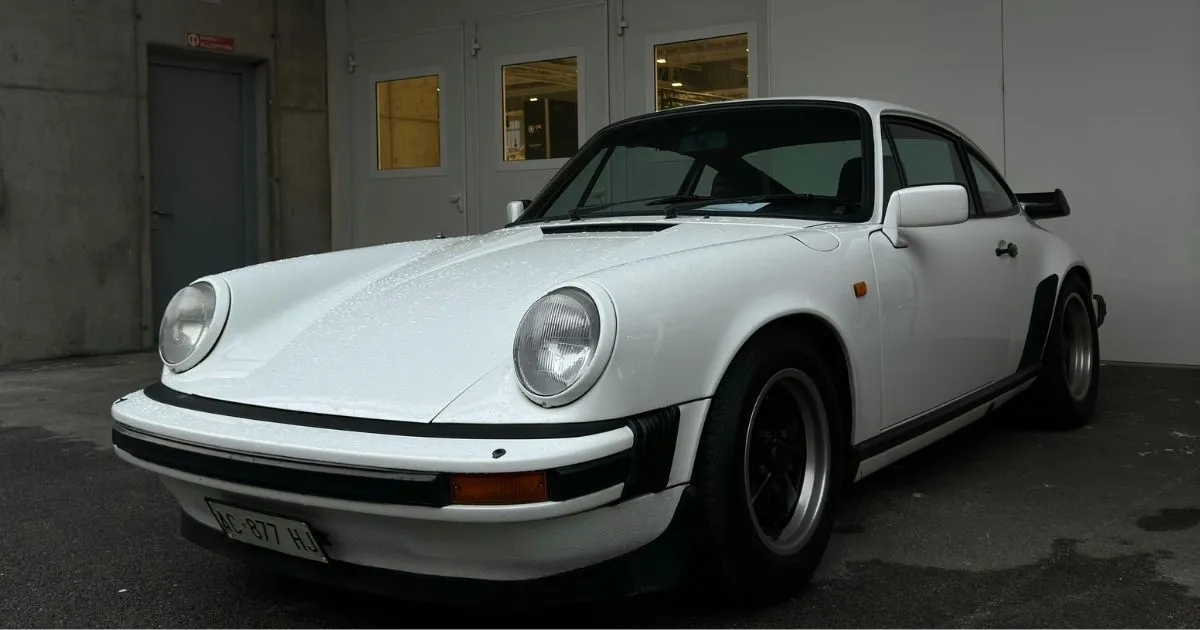
The New Normal for Melbourne Car Owners
The growing need for long-term car storage in Melbourne is really a story about our changing lifestyles. More and more people are realising their car sits idle most of the week, making a dedicated storage spot a logical, and often financially savvy, decision.
A few common scenarios we see all the time include:
- The Rise of Remote Work: With so many of us now working from home, the daily commute is a memory. That car that was once a necessity now only sees action on weekend getaways, making street parking a constant, unnecessary stress.
- Embracing City Life: Let's be honest, Melbourne’s public transport is world-class. It makes a car-free lifestyle incredibly appealing. Storing your vehicle lets you enjoy the city on foot, tram, or train without the burden of rego, insurance, and the ever-present threat of parking fines.
- Protecting a Cherished Asset: If you own a classic car, a weekend sports car, or a beloved project vehicle, secure storage isn't a luxury—it's essential. It offers a controlled environment, safe from Melbourne’s infamous four-seasons-in-one-day weather, preventing rust, sun damage, and general wear and tear.
- Extended Travel or Relocation: Heading off on that big overseas trip you've been planning for years? Or maybe you're relocating for work temporarily. Leaving your car in a secure facility gives you total peace of mind, knowing it’ll be safe and sound when you get back.
The demand for vehicle storage is a direct reflection of Melbourne’s growth. Rapid urbanisation and the shift towards high-density apartment living severely limit private parking, pushing residents to seek external solutions.
This trend is part of a much bigger picture. Australia's self-storage market was recently valued at around AUD 3.01 billion. As our cities get more compact, the need for off-site storage for valuable assets like cars is only going to grow. You can explore more about these market trends and their impact on storage solutions to see the full picture.
Choosing Your Ideal Car Storage Option
Picking the right spot to park your car long-term is really a balancing act between protection, convenience, and what you’re willing to spend. Not all long term car storage Melbourne offers is created equal, and the best choice hinges entirely on your car and your circumstances.
Think of it like booking a hotel for your car. Some vehicles need five-star, all-inclusive treatment, while others are perfectly happy in a secure, no-frills motel. To make the right call, you first need to understand the main options on the table. In Melbourne, this usually boils down to three categories: secure indoor units, budget-friendly outdoor lots, and more flexible private arrangements.

Secure Indoor Storage Units
Imagine a private vault just for your vehicle—that’s pretty much what a secure indoor storage unit is. This is the top-shelf choice, offering complete protection from Melbourne's famously unpredictable weather, whether it's a scorching summer day or a sudden hailstorm. These are typically individual, lockable garages inside a larger, high-security facility.
- Pros: This is the highest level of protection you can get from weather, dust, and pests. Security is usually first-rate, with features like individual alarms, 24/7 CCTV, and restricted key-card access.
- Cons: All that protection comes at a price, making it the most expensive option. Your access might also be restricted to the facility’s business hours.
This is the perfect solution for classic cars, luxury vehicles, or any car where keeping it in pristine condition is your absolute top priority.
Budget-Friendly Outdoor Storage
Outdoor storage is the most common and wallet-friendly way to go. Essentially, you're renting a dedicated parking space for your car in a secured, fenced-off lot. While it won't shield your car from the elements, a good facility will still provide a solid security baseline with perimeter fencing, gated access, and video surveillance.
This is a really practical choice for a daily driver, a second car, or any vehicle where your main worry is theft and vandalism, not sun and rain. It’s all about getting your car off the street and into a monitored space without spending a fortune.
In Melbourne, long-term car storage is generally considered to be for periods of six months or longer. This timeframe is often driven by major life events like relocations or renovations, making robust security a key factor in protecting a vehicle that won't be used regularly.
Private Storage Arrangements
There’s a third option that’s become increasingly popular: renting a private garage, carport, or even a secure driveway from a local resident or business. This can be a fantastic middle-ground, often giving you better protection than an open-air lot for a much better price than a commercial indoor unit.
When you’re weighing up different kinds of long-term storage, it's worth noting how purpose-built structures are designed for maximum protection. For example, guides on dedicated metal buildings for vehicle storage highlight how these enclosed structures are engineered to guard valuable assets against a whole range of environmental threats.
- Pros: It can be much more affordable than commercial spots and might even be just around the corner from your home, making access a breeze. The terms are often more flexible, too, since you’re dealing directly with the owner.
- Cons: The level of security can vary wildly from one place to the next. You absolutely have to do your homework—check for good locks, decent lighting, and get a feel for the overall safety of the neighbourhood.
Ultimately, the best choice is the one that lines up with your car’s value, your budget, and what you need to sleep soundly at night. Take the time to weigh these options, and you’ll find the perfect hibernation spot for your vehicle.
Diving Into Car Storage Costs in Melbourne
Let's get straight to the point: the numbers. When you're searching for long term car storage Melbourne drivers can rely on, the price tag is just as crucial as the security features. But the cost isn't a simple, flat fee—it’s a sliding scale that shifts based on a few key things.
Think of it like renting an apartment here in Melbourne. You know a studio in South Yarra will cost a fair bit more than a similar-sized spot in Sunshine, all thanks to location and demand. Car storage works on the exact same principle. A secure space near the CBD or in a leafy inner-ring suburb will always have a premium attached compared to a facility out west or in the south-east.
But the postcode is only one piece of the puzzle. The type of storage you choose and the features it comes with are what really shape the final price.

What Actually Drives the Price?
The monthly figure you're quoted is a mix of location, protection, and pure convenience. Getting a handle on these variables is the key to knowing you're getting good value for your money, not just paying for bells and whistles you don’t actually need.
Here’s what moves the needle on price:
- Location, Location, Location: Facilities in prime, high-demand areas like Richmond or Port Melbourne are naturally pricier because the land itself is more valuable. Head further out to suburbs like Werribee or Dandenong, and you'll find much more competitive rates.
- Type of Storage: An open-air, uncovered spot is always going to be the most budget-friendly choice. A covered carport offers a bit more protection for a modest price bump, while a fully enclosed, private indoor unit gives you maximum security at the highest cost.
- Security Features: The level of security directly feeds into the price. Basic fencing and a gate are pretty standard, but facilities with 24/7 CCTV monitoring, alarms on individual units, and staff on-site have higher running costs, and that's reflected in the fee.
- Amenities and Access: Little extras like climate control (a big plus in Melbourne's humidity), trickle-charging outlets to keep your battery healthy, and 24-hour keypad access all add value and will bump up the monthly cost.
Knowing what drives the cost is the first step to setting a realistic budget. It helps you decide what's more important: a convenient location or top-tier security? Finding that sweet spot is what gets you the best deal for both your car and your wallet.
The Melbourne market offers a whole spectrum of options. To give you a rough idea, basic indoor units can hover around $99 per month, while some premium outdoor spaces might be closer to $299 monthly. You can get a deeper dive into Melbourne storage pricing to see just how much these costs can vary across town.
A Look at Typical Price Ranges in Melbourne
To make things a bit clearer, let's break down what you can expect to pay. These numbers are just estimates—prices will always shift with demand and the specific provider—but they give you a solid starting point for your search.
Estimated Monthly Long Term Car Storage Costs in Melbourne
Here's a quick comparison of what you might pay per month depending on the storage type and its location within the wider Melbourne area.
| Location/Suburb Type | Outdoor Space (Avg. Monthly Cost) | Indoor Shared Space (Avg. Monthly Cost) | Private Secure Unit (Avg. Monthly Cost) |
|---|---|---|---|
| Inner City (e.g., Southbank, Docklands) | $250 - $400+ | $350 - $550+ | $450 - $700+ |
| Inner Suburbs (e.g., Brunswick, St Kilda) | $180 - $300 | $250 - $400 | $350 - $550 |
| Outer Suburbs (e.g., Sunshine, Frankston) | $120 - $220 | $180 - $300 | $250 - $400 |
As you can see, the difference between an outer-suburb outdoor spot and a private unit in the city is significant.
Ultimately, finding the right price means matching your car’s needs with your budget. A well-loved daily driver will probably be perfectly happy in a secure outdoor spot in an outer suburb, which could save you hundreds every month. On the other hand, if you're storing a valuable classic or a luxury vehicle, the peace of mind that comes with a climate-controlled unit closer to the city is an investment that’s absolutely worth making.
The Essential Vehicle Preparation Checklist
Putting your car away for long-term storage in Melbourne isn't just a matter of parking it and walking away. Think of it like putting a bear down for hibernation—you can't just shove it in a cave and cross your fingers. There's a proper process to follow to make sure it wakes up healthy and ready to hit the road.
Simply leaving your car to sit is a surefire recipe for dead batteries, flat tyres, and even nasty long-term engine damage. Following this checklist is your playbook for getting it right. A couple of hours spent upfront will preserve your car's condition, performance, and value, giving you total peace of mind while it's stored.

Start with a Deep Clean Inside and Out
First things first: give your car a proper, thorough clean. This isn't just about appearances; it's your first line of defence against damage. Bird droppings, tree sap, and general grime are acidic and can eat away at your car's paint and clear coat if left for months on end.
Start with a solid exterior wash. Don't forget to get into the wheel wells and under the car, where corrosive road salts and mud love to hide. Once it’s bone dry, apply a good quality coat of wax. This acts as a protective shield against moisture, dust, and any critters looking for a new home.
The inside is just as critical. Vacuum every nook and cranny to get rid of crumbs, wrappers, or any forgotten snacks. These are a welcome mat for rodents and insects. A clean interior prevents mould, mildew, and unwanted guests from moving in while you're away.
Manage Fluids for Mechanical Health
How you handle your car's fluids can be the difference between a smooth start-up and a costly visit to your mechanic. The two big ones to focus on are fuel and oil.
- Fuel Tank Strategy: For petrol cars, the best practice is to fill the tank to about 90% capacity. A nearly full tank leaves less room for air, which cuts down the risk of moisture building up and causing rust. Before you store it, add a quality fuel stabiliser to the tank. This stuff is gold—it stops the petrol from degrading and gumming up your fuel lines.
- Oil and Filter Change: Old, used oil is full of contaminants that can damage engine components over time. Treat your car to a fresh oil and filter change before storage. Clean oil protects the engine's internal parts from corrosion and ensures everything is properly lubricated when you fire it up again.
Think of fuel stabiliser as a preservative for your car’s fuel system. Just like a preservative keeps food fresh on a shelf, a stabiliser stops the petrol from going stale, ensuring your engine gets a clean, effective fuel source when it’s time to hit the road again.
Preserve Your Battery and Tyres
The two parts most likely to give you grief after long-term storage are the battery and the tyres. A dead battery and flat-spotted tyres are the classic signs of a car that wasn't prepped properly.
For the battery, you've got a couple of great options. The absolute best approach is to hook it up to a battery tender or trickle charger. These smart devices feed the battery a slow, steady stream of power, keeping it perfectly charged without overdoing it. If you can't use a tender, the next best thing is to simply disconnect the negative battery terminal. This stops the slow, constant power drain from the car's electronics that will otherwise kill your battery over a few months.
To look after your tyres, inflate them to the maximum recommended pressure. You'll find this info on the tyre placard, which is usually stuck on the inside of the driver's door jamb. This extra pressure helps prevent flat spots from forming where the car’s weight sits on the rubber. If you can, popping in to move the car even a few centimetres every month makes a huge difference.
Special Considerations for Electric Vehicles (EVs)
Storing an electric vehicle needs a slightly different game plan, as it’s all about the health of the high-voltage battery. Unlike their petrol cousins, you should never store an EV with a completely full or totally empty battery.
Most EV manufacturers recommend a state of charge between 50% and 80% for long-term storage. Leaving an EV at 100% can speed up battery degradation, while letting it drop to zero can cause permanent damage. Always check your owner's manual for the specific advice for your model.
Here are the key steps for EV storage:
- Charge to the Right Level: Get it into that 50-80% sweet spot.
- Turn Off Automatic Features: Disable anything that might wake the car up, like automatic climate pre-conditioning or remote apps that constantly check the vehicle's status.
- Avoid Extreme Temperatures: If you can, choose an indoor, climate-controlled storage spot. This will protect the sensitive battery pack from Melbourne’s hot and cold swings.
By ticking off every item on this checklist, you can be confident your vehicle—whether it's petrol or electric—will be in the same great shape you left it, ready for your next drive.
Navigating Security, Insurance and Access
When it comes to long term car storage Melbourne has on offer, peace of mind is everything. It's not just about getting a good price; it's about knowing, without a doubt, that your car is safe, properly insured, and available when you need it. Before you hand over the keys, you need to dig into the facility's security, get clear on insurance, and understand the access rules.
Think of it like setting the ground rules for your car's long hibernation. You wouldn't just leave a valuable asset somewhere without knowing it's locked down tight and protected from the unexpected. A few sharp questions and a quick look at your policy now can save you a world of headaches and financial pain later on.

Must-Have Security Features
When you're checking out a potential storage spot, you're not just looking for a space to park. You're assessing a fortress. Any decent facility will be proud to show you its security setup, so don't be shy about asking for a tour to look for these non-negotiables.
Here’s what a solid security system looks like:
- High-Definition CCTV: Look for clear cameras covering all gates, entry points, and the main storage areas. 24/7 recording is the bare minimum you should expect.
- Gated Electronic Access: The entire place should be fenced off with a secure, electronic gate. Entry should require a unique PIN or key card, creating a log of everyone coming and going.
- Good Lighting: Well-lit corridors and lots are a huge deterrent for thieves. Dark, shadowy corners are a major red flag.
- Onsite Presence: Whether it's a manager on-site during business hours or regular security patrols, having a real person around adds a massive layer of protection.
If you're considering a private or home-based storage option, you might want to look into physical deterrents. It’s worth exploring different measures and seeing, for example, whether security bollards prevent car theft.
Clarifying Your Insurance Coverage
Never, ever assume your car is automatically covered. Both your own policy and the facility's insurance come into play, and you need to know precisely where one ends and the other begins. This is a common blind spot that can be incredibly costly if something goes wrong.
First, call your car insurer. Tell them you're putting your vehicle into long-term storage and ask exactly how that changes your policy. Many insurers will let you switch to a cheaper 'storage' or 'laid-up' cover. This usually protects you against fire, theft, and damage but strips out the expensive on-road stuff like collision cover.
It's a critical error to cancel your insurance entirely. Most storage facilities require proof of insurance as part of the rental agreement, and maintaining at least fire and theft coverage is essential to protect your investment.
Next, grill the storage facility about their insurance. Most have their own policy, but it often only covers them if they are negligent—not for damage from something like a flood or a break-in. Find out exactly what their policy covers and, more importantly, what it doesn't.
Understanding Access Policies
Finally, get the full story on when and how you can get to your car. The rules can vary wildly between different places, and you don’t want to find out you’re locked out on a Sunday afternoon when you desperately need to grab something.
Make sure you ask these key questions about access:
- What are the gate access hours? Is it 24/7, or limited to business hours only?
- Do I have to give you any notice before I visit my vehicle?
- Are there any rules against doing minor maintenance, like starting the car or checking the battery?
Getting these answers upfront means no nasty surprises down the line. It ensures you pick a facility that truly fits your needs for security, coverage, and simple convenience.
How to Find and Book Your Ideal Storage Spot
Alright, you've got the lowdown on costs, security, and how to prep your car. Now for the fun part: finding and locking in that perfect spot. Gone are the days of circling the block or making a dozen phone calls. Finding great long term car storage Melbourne offers is now something you can sort out from your couch in minutes.
Think of online platforms as the real estate websites for your car. Instead of scrolling through houses, you're browsing secure garages, private driveways, and dedicated storage units all over Melbourne. It lets you filter everything by suburb, price, and the features you absolutely need, which saves a massive amount of legwork.
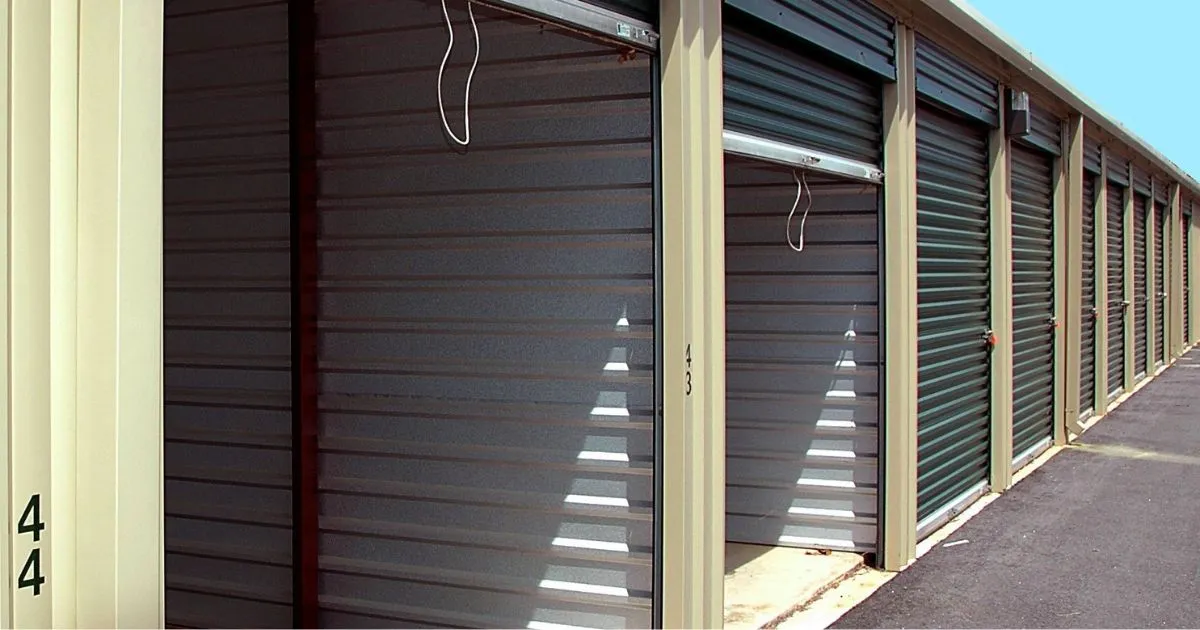
A Smarter Way to Search and Compare
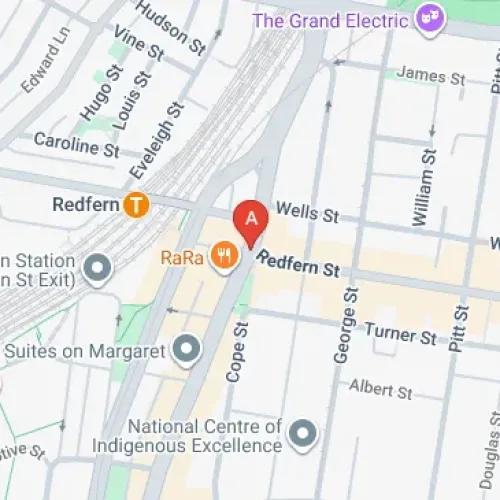
The best approach is to cast a wide net first, then start getting specific. A platform like Parking Made Easy pulls together thousands of listings, giving you a bird's-eye view of what’s actually available in your target area—whether that’s a convenient spot near Melbourne Airport or a secure garage just down the road.
Here’s a simple process to nail it down:
- List Your Must-Haves: First, decide on your non-negotiables. Is indoor storage essential? Do you need to be able to access your car 24/7? What’s the absolute top of your monthly budget?
- Get Specific with Filters: Don't just search for "Melbourne." Zero in on the suburbs that work for you. Use the filters to select features like "undercover," "security cameras," or "24/7 access" to immediately weed out spots that won't work.
- Compare Your Shortlist: Once you have a handful of options, put them side-by-side. Scrutinise the photos, read the descriptions carefully, and check for reviews from other users. Pay close attention to the details about access hours and security.
A great listing is an honest one. Look for clear, recent photos, a proper description of the security setup, and straightforward pricing. Vague listings with stock photos can be a bit of a red flag.
Securing Your Booking and Finalising the Deal
When you’ve found the one, booking it is usually a straightforward online process. Most platforms let you book and pay right then and there, securing your spot instantly. But before you hit that "confirm" button, just run a couple of final checks.
Always double-check the provider's terms and conditions. You'll want to know the notice period for ending the agreement and if there are any fees for bailing early. It’s also a good idea to shoot the owner or facility manager a quick message to confirm any lingering questions you have about access or security.
Finally, you just need to arrange a time to move your car in. By following these steps, you can go from planning to parked with total confidence, knowing you’ve found a secure and affordable home-away-from-home for your vehicle.
Common Questions About Long Term Car Storage
Alright, let's wrap up by tackling some of the most common questions we hear about long term car storage Melbourne locals ask. Getting these details sorted will give you the peace of mind you need to choose the right spot for your vehicle.
Do I Need to Keep My Car Registered and Insured?
Absolutely. Keeping your car insured is almost always a non-negotiable for storage facilities and, frankly, it’s just a smart move. Most places will want to see proof of insurance before they hand over the keys. Your best bet is to ring your insurer and ask about switching to a 'storage' or 'laid-up' policy. These typically cover the big risks like fire, theft, and damage, but at a much lower premium.
As for registration, it’s always wise to check directly with VicRoads for the latest rules on vehicles that aren't being used on public roads. That said, keeping it registered usually makes life a whole lot simpler when it's time to get your car back on the road.
Never, ever cancel your insurance completely while your car is in storage. A comprehensive policy that covers fire and theft is your main financial shield against the unexpected. It protects the value of your asset, even when it’s just sitting there.
How Often Should I Start My Car in Storage?
If you can get to your car, the ideal routine is to start it up and let it run for about 10-15 minutes once a month. This is just enough time to get all the essential fluids circulating through the engine and transmission, and it also gives the battery a little boost.
Of course, life gets busy, and visiting your storage unit that often isn't always practical. If that sounds like you, the most important thing is to prep the battery before you put the car away. A good quality battery tender (also known as a trickle charger) is fantastic, but simply disconnecting the negative terminal will also go a long way to making sure it fires up without a fuss when you return.
What if I Need My Car Out Early?
This one really comes down to the fine print in your rental agreement. Many providers, especially the more flexible options you'll find on platforms like Parking Made Easy, run on simple month-to-month contracts. This usually means you can end the agreement with a bit of notice, no strings attached.
On the other hand, some facilities that lock in cheaper rates for long-term commitments might have a penalty for pulling out early. Before you sign on the dotted line, always ask about their early retrieval policy. Knowing this from the get-go can save you from a nasty surprise if your plans suddenly change.
**Daniel Battaglia, Parking Made Easy:** As part of the Parking Made Easy team with the assistance of Generative AI, Daniel Battaglia offers his experience in the car parking industry. He is dedicated to providing valuable information and resources to help you make smart parking choices and has been widely quoted in national media outlets. Connect with Daniel directly at daniel@parkingmadeeasy.com.au for further assistance.
Find Parking With Us Today!


Share