Parking Your Rental Car: What You Need to Know About Australia's Parking Regulations
Navigating parking in Australia doesn't have to be stressful, but it does require some preparation. Each city operates under its own parking rules and signage system, making it easy to misread a sign or unknowingly exceed a time limit. The consequences can be costly: heavy fines for any driver, and additional administrative charges from rental companies for visitors hiring cars.
Understanding Australia's parking regulations before you hit the road is the simplest way to protect your wallet and enjoy your trip without unnecessary headaches.
Overview of Parking in Australia
Australian parking rules are regulated at the local council level. This means that although the basic system remains the same, the specific details can change between cities like Melbourne, Sydney, Perth, etc. You will see standard signs for time limits, permit zones, and paid parking across Australia, which you’re legally required to follow. If you misunderstand a sign and tell an officer you don’t understand it because you’re a tourist, you’ll still get the ticket.
The parking regulations are strictly enforced in CBDs and high-traffic areas. Inspectors and cameras constantly monitor commercial districts, residential areas, and school zones. Even a small mistake, like staying a few minutes past your limit or parking in the wrong direction, can result in a fine. For rental car drivers, the cost goes even higher with additional fees charged by the rental company. Paying close attention to local parking restrictions is a simple habit that can save you from unexpected expenses and keep your trip running smoothly.
Why Parking Rules in Australia Matter for Rental Car Drivers?
When you’re driving a rental car, parking mistakes may cost more than a standard fine. If you receive a parking ticket, the notice is sent to the car owner (the rental company). The company will then transfer the ticket fine to you, as well as charge an additional fee to process the penalty. This is why car rental drivers need to understand and abide by the parking rules.
Australian cities enforce parking laws strictly, using automated systems and cameras that leave little room for error. As a tourist, an unfamiliar sign or an overlooked rule is all it takes to end up with a ticket. You can be fined for simple mistakes like staying somewhere too long or parking during restricted hours. However, it can be pretty expensive for travellers to get a parking ticket, so clearly understanding the parking laws is crucial.
Types of Parking in Australia
There are different types of parking in Australia, structured around clear zones. Each zone has its own specific time limits and eligibility requirements.
These parking zones are discussed in detail below:
Timed Parking:
Timed Parking is a time-restricted parking space. These parking zones allow you to park a vehicle for a specific time period. For instance, 1P means you can park for 1 hour, and 2P means you can park for two hours. Exceeding the time limit may lead to fines.
Please note: Once your time is up, you cannot simply move your car to a different place on the same street to stay longer.
Metered Parking:
Metered parking is common in the CBD and busy areas. It requires you to pay in advance for the time duration you intend to stay in on-street or off-street parking. Staying even a few minutes past the duration limit can lead to huge fines.
Permit-Only Parking:
Permit-only parking is reserved for locals and those vehicles that have a valid permit from the council. If you park without permission during restricted hours, you will get an immediate penalty, even though the space is available.
Loading Zones:
Loading zones are designed for commercial vehicles for loading or unloading goods. You can’t stop in this zone unless the sign clearly states that you can stop for a quick passenger drop-off.
Clearways:
Clearways are side lanes that restrict you from stopping during the peak hours to improve traffic flow. You can park in these areas outside peak hours.
No Parking:
This zone allows drivers to stop briefly (two minutes max) to pick up or drop off passengers. But the driver must stay within the car.
No Stopping:
It is the most restricted zone. You can not stop for even a few seconds. Not even for dropping off passengers or goods.
By understanding these zones and their restriction, you can protect yourself from getting a parking ticket.
Understanding Australian Parking Signage
The parking signboards in Australia contain different colours, texts, time limits, and directional arrows that tell you when and where you can park. Signboards are usually detailed with the main restrictions at the top and supporting details in the lower panels. Every driver is expected to read the whole sign (from top to bottom) before leaving their vehicle.
Sign Colours and Their Meanings
Different coloured signs are used for different parking zones. Each colour has its own meaning that is elaborated below:
- Red Signs: These signs represent no-stopping zones. You can’t stop in these areas even for a few seconds.
- Green and White Signs: The green and white signs are for timed parking zones. These zones usually have operating hours (i.e., 9am-6pm Mon-Fri). The time restrictions are usually lifted after the specified hours and on weekends.
- Yellow Signs: These signs are for loading zones. It is reserved for commercial vehicles during specified hours.
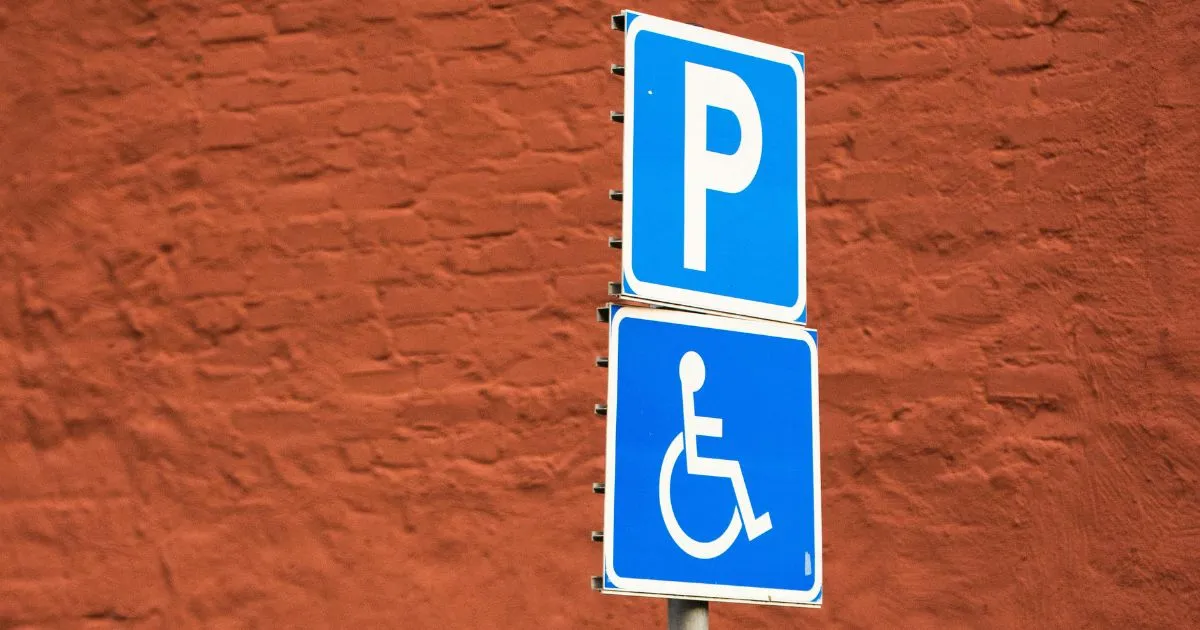
- Blue Signs: The blue sign indicates disabled parking. It reserves a parking area for people holding Australia Disability Parking (ADP) permit.
Understanding the colored signage allows you to park in permitted areas only.
Directional Arrows
Directional arrows indicate on which side of the sign the rules apply. For instance, if the arrow is in the right direction, you can park on the right side of the signboard.
Days and Time Restrictions
The day and time restrictions show the time range during which the parking restrictions are applied. These restrictions are lifted after the mentioned time.
By understanding the signage clearly, you can park your rental car at the permitted spot and protect yourself from heavy fines.
Common Parking Mistakes Tourists Make in Australia
Parking in Australia is pretty challenging for tourists because of strict enforcement, complex rules and signage. Here are a few mistakes that travellers commonly make while parking in Australia:
- Parking in the Wrong Direction: It is a common mistake made by tourists. Parking in the direction opposite to traffic is illegal in Australia, resulting in a parking ticket.
- Misinterpreting No Stopping and No Parking: Another common mistake made by tourists in Australia is confusing no stopping and no parking signs. You can not stop at all in the no stopping area, while no parking area allows you to stop for 2 minutes.
- Ignoring Yellow Line: Yellow lines painted along the kerb indicate “no stopping” regardless of the sign. This confused many travellers.
- Exceeding Time Limits: Many visitors fail to understand that once you reach the time limit, you must move your car immediately. Failing to move the car within the time limit or moving it to a different spot on the same street can lead to hefty fines.
- Parking in Disabled Zones: This is strictly monitored by the inspectors and cameras. Many visitors misunderstand this sign and are fined with heavy charges.
- Parking in Permit Zones: Permit zones are reserved for residents or those who have a special permit from the local council. Tourists often misunderstand these zones and receive a parking ticket.
To avoid getting a ticket for wrong parking, carefully understand the parking rules in Australia before getting behind the wheel.

What Happens If You Get a Parking Fine in a Rental Car?
The parking fine is either placed on your car’s windscreen as a ticket or mailed to the registered car owner (the rental company). In the car rental case, you’re not the owner, so the following process will take place:
- The local council issues the fine.
- The notice is sent to the car rental company, as they are legally responsible for taking care of the fine.
- The rental car company will provide your details to the issuing authority and transfer liability to you under the rental agreement terms.
- Most car rental companies will charge an additional administrative cost to you for handling the parking breach.
If you think the fine was issued by mistake, you can appeal directly to the local council, not the car hire company. This is because the company can not cancel or lower the government-issued fines.
Please note: Ignoring a parking ticket may lead to additional penalties, legal actions, and even debt recovery procedures. That may affect your future travel.
To ensure a stress-free travel, it is important to understand the rules of parking in Australia. These regulations vary slightly according to the city, so always keep that in mind. Moreover, minor mistakes can lead to serious penalties, and if you are using a rental car, you will bear a higher cost.
FAQs
Do parking rules vary between Australian states?
Yes! While many laws are similar, some enforcement procedures and fines may differ with the local council.
How much is a parking fine in Australia?
Fines differ with the city and offence but range from moderate to high prices. The fines in CBD areas are usually higher.
Can I park on the wrong side of the road?
No, the vehicle must face the direction of traffic when parked. Otherwise, you’ll receive a ticket.
What happens if I ignore a parking fine in a rental car?
Ignoring the fine can increase penalties. The rental company may charge your card and forward the fine to you.
Can rental companies charge extra for parking fines?
Yes. Most rental agreements allow administrative fees for processing traffic or parking infringements.
What does “No Stopping” mean?
You cannot stop your vehicle at all, even briefly for a passenger's drop-off.
 **About the Author:**
 Find Parking With Us Today!

Helpful Blogs
Parking Near Me
Popular Places
- North Sydney Station, Blue St, North Sydney NSW 2060, Australia
- Brisbane Convention & Exhibition Centre, Grey St, South Brisbane QLD 4101, Australia
- Berry Springs Nature Park, Berry Springs Nature Reserve, Berry Springs NT 0837, Australia
- Warndoolier, 60 Joel Terrace, Mount Lawley WA 6050, Australia
- Rathmines Road Reserve, 169 Rathmines Rd, Hawthorn East VIC 3123, Australia
Share