Simple Habits That Keep Your Car Running and Looking Its Best

Picture this. You are running late for work, you jump in the car, turn the key, and nothing happens. The engine will not start, and now your whole day is thrown off. Sound familiar? Most unexpected car problems do not happen overnight. They build up slowly because of small things we keep putting off. According to the AAA, poor vehicle maintenance is one of the leading causes of breakdowns on the road. But here is the good news. A few simple habits can keep your car reliable, safe, and looking sharp for years without spending a fortune.
Why Consistent Vehicle Care Matters More Than You Think
The Connection Between Small Efforts and Long-Term Performance
Here is the thing most people learn the hard way. Skipping the small stuff always leads to big bills later. That weird noise you ignored? That could have been a quick fix. That oil change you kept pushing back? Now your engine is suffering. Little acts of care add up and they are what separate a car that lasts a decade from one that barely makes it past five years.
Setting a Realistic Maintenance Mindset
You do not need to become a full-time mechanic. Just think of car care as something you check in on regularly, like going to the dentist or cleaning out the fridge. Once you build the routine, it stops feeling like a chore and just becomes part of life.
Keeping the Engine and Mechanical Parts in Top Shape
Staying on Top of Oil Changes and Fluid Levels
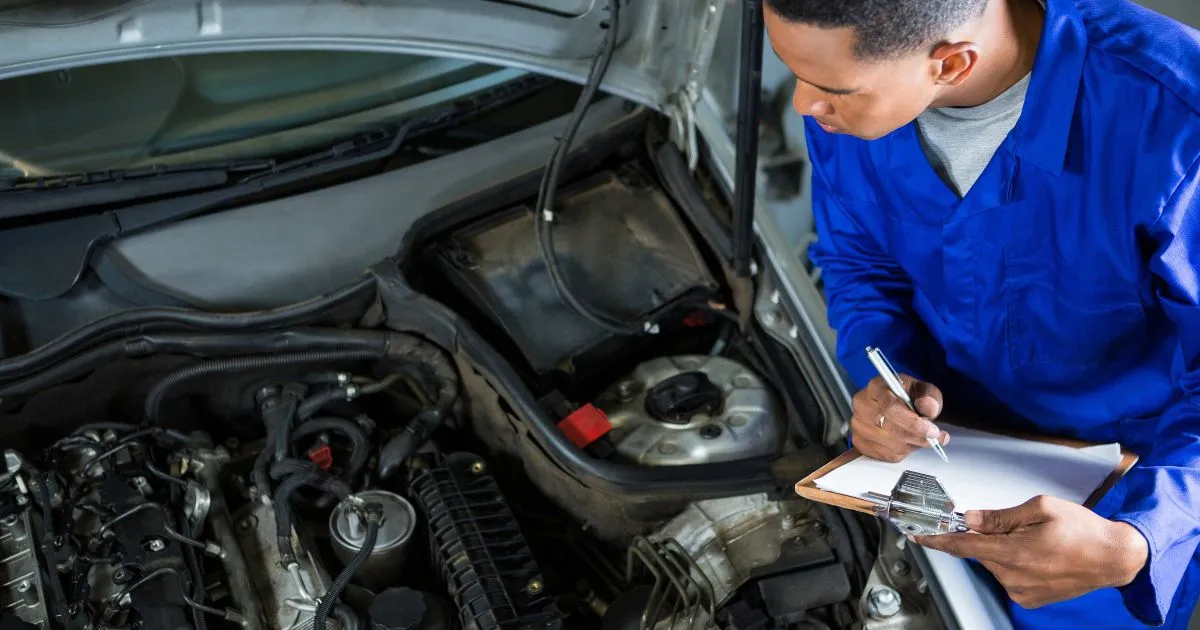
Oil is basically your engine's lifeblood. When it gets old and dirty, your engine works harder than it should, and that means more wear, more heat, and more problems. Stick to the schedule your manufacturer recommends. While you are at it, check your coolant, brake fluid, transmission fluid, and power steering fluid every few weeks. It only takes a couple of minutes, and it can save you from being stranded on the side of the road.
Why Professional Servicing Should Never Be Skipped
Even if you are handy with basic checks, nothing replaces a proper professional service. Trained technicians have the tools and knowledge to spot things you might miss, like early signs of belt wear, exhaust issues, or electrical faults. This is especially true for European vehicles that have more complex systems. If you own a BMW, for example, taking it to a specialist who understands the brand makes a real difference. Trusted providers of BMW Service Melbourne use brand-specific diagnostics and genuine parts, which helps protect your car's performance and resale value over time.
Monitoring Tyres, Brakes, and Battery Health
Your tyres are the only part of the car that actually touches the road, so do not ignore them. Check the pressure at least once a month, rotate them as recommended, and keep an eye on tread depth. As for brakes, if you hear squealing or feel vibrations when stopping, get them checked right away. And your battery? A quick test before winter or summer can save you from a no-start morning when you are already running late.
Preserving Your Car's Exterior and Interior Appeal
Washing, Waxing, and Paint Protection Basics
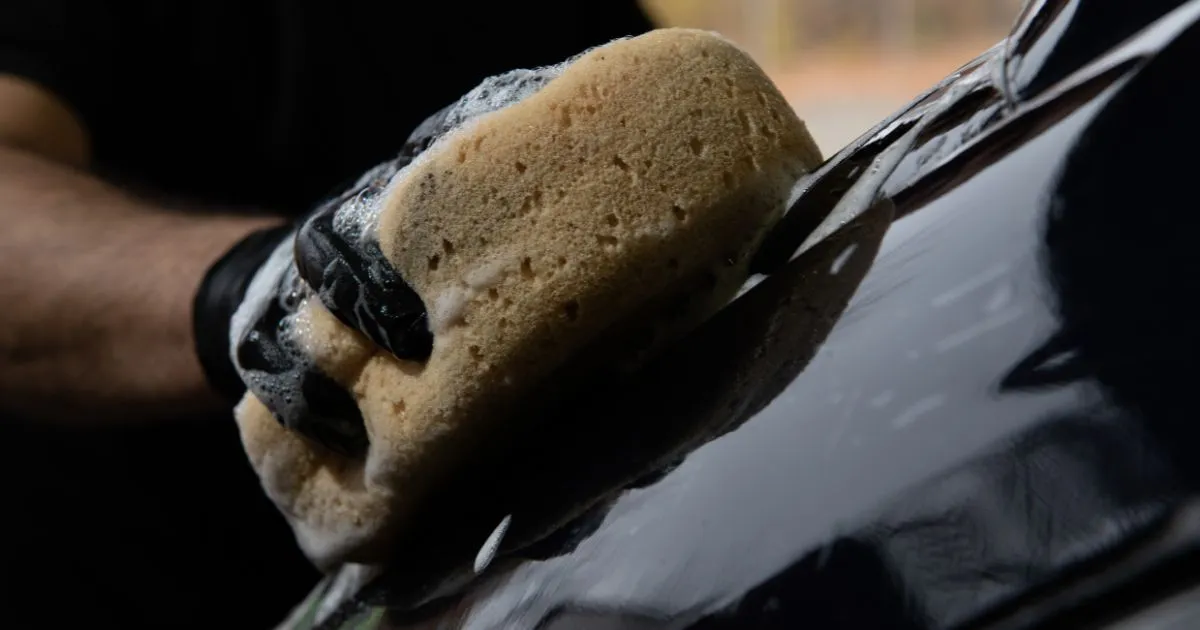
A clean car is not just about looks. Dirt, bird droppings, tree sap, and road salt can eat into your paint over time. Try to wash your car every couple of weeks using proper car wash soap, not dish detergent. Apply a coat of wax every few months to protect the finish, and if you want extra peace of mind, look into ceramic coatings. They create a tough barrier that keeps your paint looking fresh with less effort.
Interior Cleaning Habits That Prevent Wear and Tear
The inside of your car takes a beating too. Crumbs, dust, spilled coffee, and sun damage all add up. Vacuum the seats and carpets regularly, wipe down the dashboard with a UV protectant, and if you have leather seats, condition them every few months to prevent cracking. A small cleaning kit in the glove box makes it easy to handle messes before they become stains. And do not forget that where you park matters just as much as how you clean. Leaving your car in unsafe spots can undo all your hard work, so it helps to follow smart car security tips for inner-city parking to keep your vehicle protected while it is parked.
Driving Habits That Reduce Unnecessary Strain
How Your Driving Style Impacts Vehicle Health
The way you drive affects your car more than you might think. Slamming the accelerator, braking hard at every light, and taking corners too fast all put extra stress on your engine, brakes, and suspension. Try to drive smoothly. Accelerate gently, brake gradually, and give your car a moment to warm up on cold mornings. Your fuel economy will improve, and your parts will last longer.
Seasonal Adjustments Every Driver Should Make
Different seasons bring different challenges. In summer, your air conditioning works overtime and your tyres deal with hot pavement. In winter, you need good wipers, fresh antifreeze, and properly inflated tyres. A quick seasonal check twice a year helps you stay ahead of problems instead of reacting to them.
Watching Out for Road Hazards and Rough Surfaces
It is easy to forget that the roads themselves can damage your car. Potholes, speed bumps taken too fast, and gravel roads all take a toll on your suspension, alignment, and tyres. Pay attention to the road ahead, slow down over rough patches, and avoid puddles that could be hiding deep holes. These small adjustments in awareness protect your undercarriage and save you from alignment repairs down the line.
Knowing When to Repair, Replace, or Let Go
Recognising When a Part Needs Immediate Replacement
Some warning signs should never be ignored. Dashboard lights, unusual grinding or clunking sounds, vibrations through the steering wheel, or a sudden drop in performance all point to something that needs attention now. Putting off a repair on a critical component like brakes or steering can turn a minor fix into a major safety risk.
Making Smart Decisions About Older Vehicles
At some point, every car reaches the end of its road. When repair costs start adding up to more than the vehicle is worth, it might be time to move on. But letting go of a car does not mean it has to go to waste. If your vehicle is beyond saving, connecting with auto wreckers Palmerston North is a practical and eco-friendly option. They can salvage usable parts and recycle materials, which keeps things out of the landfill and puts a little cash back in your pocket.
Conclusion
Taking care of your car does not require a garage full of tools or a degree in automotive engineering. It just takes a few consistent habits, some attention to detail, and the willingness to act when something feels off. Whether it is keeping up with oil changes, giving your car a good wash, driving smoothly, or knowing when to call it quits on an old vehicle, every small effort adds up to big results. Start with one habit this week, build from there, and your car will thank you with years of reliable service.
FAQs
How often should I get my car professionally serviced?
Most manufacturers recommend a full service every six months or every ten thousand kilometres, whichever comes first. However, always check your owner's manual for the schedule that fits your specific vehicle. If you drive in harsh conditions like extreme heat, dusty roads, or heavy city traffic, you may need to service more frequently.
What is the most overlooked maintenance task?
Checking tyre pressure and topping up fluids are two of the most commonly skipped tasks. They take just a few minutes but play a huge role in safety and performance. Many drivers also forget about replacing cabin air filters, which can affect air quality inside the car and reduce the efficiency of your air conditioning.
Can regular cleaning actually protect my car's value?
Absolutely. Consistent washing and interior care prevent long-term damage like paint oxidation, staining, and cracked leather. A well-maintained appearance can significantly boost your resale value when the time comes to sell. Buyers are far more likely to pay a premium for a vehicle that looks well cared for inside and out.
When is it better to let go of a car rather than keep repairing it?
A good rule of thumb is if your annual repair costs are approaching or exceeding the car's current market value, it is probably time to consider replacing it. At that stage, recycling the vehicle or selling it for parts is often the smarter financial move. You can also consult a trusted mechanic for an honest assessment of how much life your car realistically has left.
 **Written by Daniel Battaglia:** As the author of
 Find Parking With Us Today!



Helpful Blogs
Parking Near Me
Popular Places
- North Sydney Station, Blue St, North Sydney NSW 2060, Australia
- Brisbane Convention & Exhibition Centre, Grey St, South Brisbane QLD 4101, Australia
- Berry Springs Nature Park, Berry Springs Nature Reserve, Berry Springs NT 0837, Australia
- Warndoolier, 60 Joel Terrace, Mount Lawley WA 6050, Australia
- Rathmines Road Reserve, 169 Rathmines Rd, Hawthorn East VIC 3123, Australia
Share