How Technology Makes Parking and Leisure More Convenient

Finding a parking spot used to feel like a game of luck, especially in Australia’s busy urban centres. Circling blocks, hunting for open spaces, or racing against time was a common frustration for drivers. Today, technology is transforming that experience. Smart parking systems, digital apps, and real-time sensors are streamlining access to parking, making the first step of any outing—whether shopping, dining, or attending a show—smoother and less stressful.
While parking is the first hurdle, digital integration extends beyond that. Drivers and visitors can also plan their downtime in advance, whether it’s catching up on a podcast, streaming music, or engaging in mobile entertainment. These options allow individuals to make productive or enjoyable use of the time they might otherwise spend waiting for a space or for friends to arrive.
Smart Systems on the Rise
The shift toward digital parking solutions is backed by strong market growth. Research indicates that Australia’s smart parking market is projected to reach USD 406.5 million by 2033, fueled by the widespread adoption of IoT sensors, mobile apps, and integrated payment systems. These technologies allow drivers to locate open spots in real-time, receive notifications about availability, and even reserve spaces in advance. The convenience is clear: less time spent circling the block, fewer parking frustrations, and a smoother start to any outing.
Beyond simply finding a space, smart systems also enhance the downtime that comes with parking. While waiting for a spot or for friends to arrive, drivers can make productive or enjoyable use of their time. Mobile entertainment options, such as streaming shows, listening to podcasts, trying out new audiobooks, or even engaging with popular online casinos reviewed by GamblingInsider.com, have become increasingly popular ways to fill those moments. These options illustrate how digital tools can transform what was once idle time into meaningful or entertaining experiences, perfectly complementing the convenience offered by modern parking systems.
In addition, smart systems contribute to sustainability. By guiding cars directly to available spaces, they reduce unnecessary driving, lowering emissions and fuel consumption. For busy commercial districts or entertainment precincts, this is a win for both drivers and property owners, who can manage high traffic volumes more efficiently while giving visitors the freedom to enjoy their chosen leisure activities immediately.
Solving Urban Density
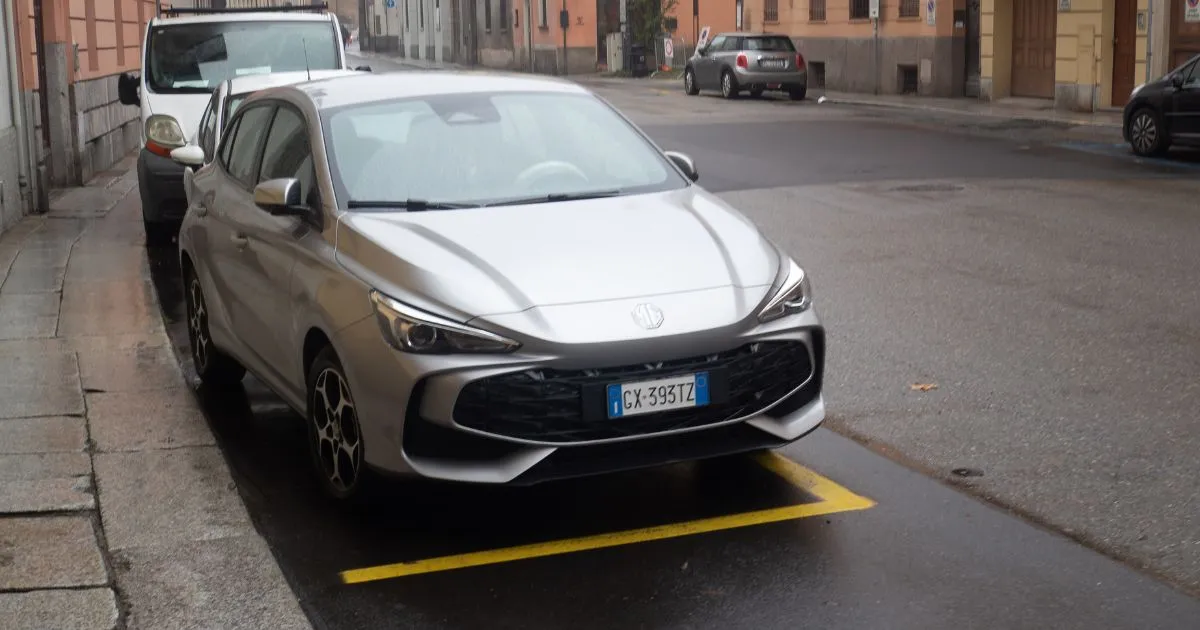
Urban density in Australian cities continues to grow, making efficient use of limited space more critical than ever. Automated parking solutions are gaining traction, particularly in high-demand areas where traditional parking structures cannot keep up with demand. These systems can stack vehicles efficiently, optimize space allocation, and even integrate with building management software to monitor usage patterns.
For drivers, this means less stress and more certainty, knowing that advanced systems can accommodate their vehicle even in the busiest areas. For those visiting leisure destinations, it also translates to more time enjoying their planned activities. Mobile devices and apps complement this experience, enabling users to plan their trips, check availability, and schedule activities while on the move. This is where digital entertainment options come into play. Many visitors take advantage of their smartphones while waiting for friends, their car to charge, or to enjoy a short break, and online gaming and igaming have become a popular choice for passing the time responsibly.
Integrating Leisure and Digital Convenience
The integration of digital technology into parking infrastructure isn’t just about finding a space—it’s about enhancing the overall experience. Imagine arriving at a busy city centre, using your phone to locate and book a parking space in advance, and knowing your payment is handled automatically. While your car is safely parked, you can plan the rest of your leisure activity, whether it’s exploring local restaurants, attending an event, or simply relaxing with mobile entertainment.
The Road Ahead
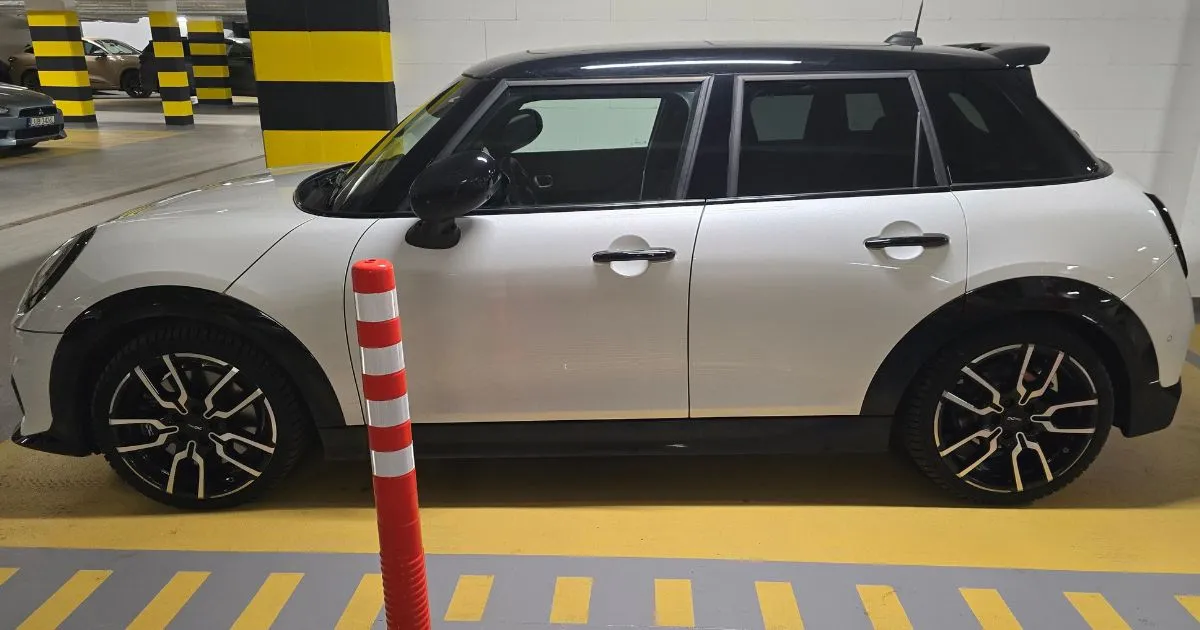
Looking forward, the integration of AI and electric vehicle (EV) charging into parking infrastructure will continue to define the landscape of 2026 and beyond. Future systems will likely handle locating your space, guiding you in, processing payments, and even initiating EV charging automatically. These innovations will allow drivers to focus on their activities rather than the logistics of parking, turning what was once a stressful task into a seamless, enjoyable start to any outing.
In parallel, digital leisure options—including mobile entertainment and online gaming—will continue to complement these improvements. By combining smart parking with smart entertainment, Australian drivers are experiencing a new era where convenience, technology, and leisure converge.
 **Written by Daniel Battaglia:** As the author of
 Find Parking With Us Today!


Helpful Blogs
Parking Near Me
Popular Places
- North Sydney Station, Blue St, North Sydney NSW 2060, Australia
- Brisbane Convention & Exhibition Centre, Grey St, South Brisbane QLD 4101, Australia
- Berry Springs Nature Park, Berry Springs Nature Reserve, Berry Springs NT 0837, Australia
- Warndoolier, 60 Joel Terrace, Mount Lawley WA 6050, Australia
- Rathmines Road Reserve, 169 Rathmines Rd, Hawthorn East VIC 3123, Australia
Share