Parking Made Easy > Innovative Urban Parking: Bridging Technology And Opportunity In Australia
Innovative Urban Parking: Bridging Technology and Opportunity in Australia

Australian cities continue to face mounting challenges in managing urban growth and congestion. As populations swell and car ownership remains high, drivers are confronted with an ever-dwindling supply of convenient, affordable parking. Urban centres, once designed for a more leisurely pace, are now forced to rethink their infrastructure to keep pace with modern demand. The strain on existing parking facilities has given rise to innovative solutions that shift traditional models to ones that are more flexible, digital, and user-focused. Against this dynamic backdrop, urban mobility experts are harnessing technology and community-driven approaches to reimagine the parking experience, transforming it from a daily headache into a manageable and even profitable aspect of urban living.
At the heart of this transformation is a keen understanding of not only the supply and demand challenges of urban parking but also the need to harness new technologies to simplify the process. With real-time data, smart sensors, and seamless payment solutions, modern parking systems are making it easier for drivers to find available spaces while allowing property owners to monetize underutilized assets. As cities evolve, so too does the way residents interact with their surroundings, making the efficient management of parking a cornerstone for sustainable urban development.
The Urban Parking Challenge in Australia
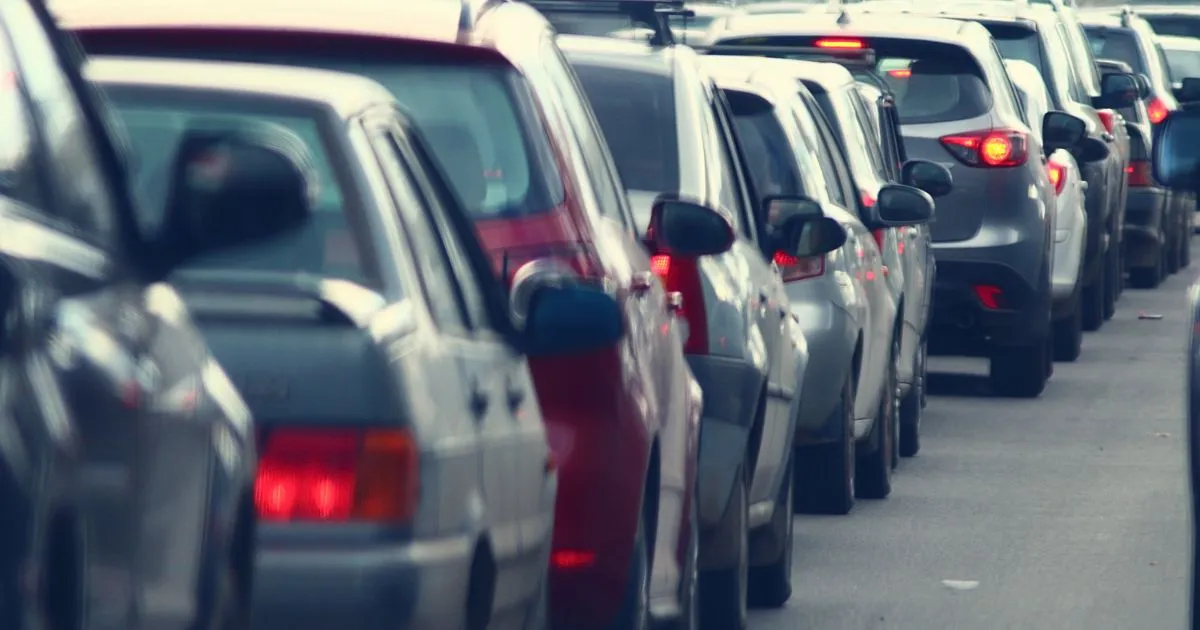
In major Australian cities, parking is often at the epicenter of everyday stress. Congested streets, limited parking spaces, and frequently changing regulations round out the challenges facing drivers. For those commuting daily, the hunt for a parking spot can turn what should be a simple task into an unpredictable delay. Many urban dwellers find themselves circling blocks and enduring long walks from distant pay-and-park lots. This situation not only wastes time but also contributes to increased fuel consumption and carbon emissions, further exacerbating environmental concerns.
Meanwhile, property owners with unused driveways, garages, or reserved car spots often miss the opportunity to generate additional income. Traditional parking management systems tend to focus solely on public facilities, leaving a gap where private assets could play a transformative role. The disparity between available assets and driver demand creates a fertile environment for innovative solutions, where technology bridges the gap between supply and need. As policymakers and urban planners explore strategies to ease congestion, the concept of peer-to-peer parking has emerged as a promising model that not only alleviates scarcity but also fosters community collaboration.
Local governments are increasingly recognizing that sustainable urban mobility solutions must integrate technology, economics, and infrastructure planning. Several city councils have launched pilot programs to monitor traffic flow, leverage sensor data, and promote off-peak parking utilization. These efforts have demonstrated that managing parking is not just a logistical exercise, but an essential component of modern urban planning. In response, technology providers have introduced mobile systems that connect drivers with available parking spots, offer real-time occupancy updates, and present digital payment options—all contributing to a less stressful daily commute.
Technology-Driven Solutions for Modern Urban Parking
Technological innovation is at the forefront of transforming the traditional parking experience. New software now incorporates real-time tracking, predictive analytics, and dynamic pricing to help drivers locate available spaces with minimal frustration. For instance, advanced mobile applications offer live updates on current parking availability, pricing trends, duration limits, and even weather conditions—factors that can influence parking behavior. These smart systems are fundamentally changing the way parking spaces are managed, making them more accessible and efficient.
Digital transformation in one sector often inspires innovation in another. In the online casino industry, the focus has shifted toward seamless and swift financial transactions to meet consumer demand. Notably, several operators are recommended for AU players due to their ability to process instant withdrawals, reflecting a commitment to efficiency that is paralleled in modern parking solutions. This emphasis on immediacy aligns with the growing expectation for real-time responsiveness in urban mobility.
Smart parking systems make use of Internet of Things (IoT) sensors, cloud computing, and artificial intelligence to predict usage patterns and manage capacity. For example, sensors installed in parking lots can instantly update a mobile application when a space becomes available or occupied. This level of automation reduces guesswork, minimizes the time spent searching for a spot, and ultimately leads to a better overall user experience. As these digital tools become more prevalent, urban planners and private investors recognize the potential to integrate these systems into public infrastructure on a much larger scale.
Transitioning to these next-generation solutions demands robust digital ecosystems and cross-industry partnerships. The blending of urban mobility with advanced digital technology is creating a paradigm shift in how cities approach longstanding challenges. As barriers between traditional parking management and innovative, digital-first systems dissolve, both drivers and property owners stand to benefit from solutions that emphasize efficiency, accessibility, and enhanced functionality.
Monetizing Unused Assets Through Peer-to-Peer Platforms
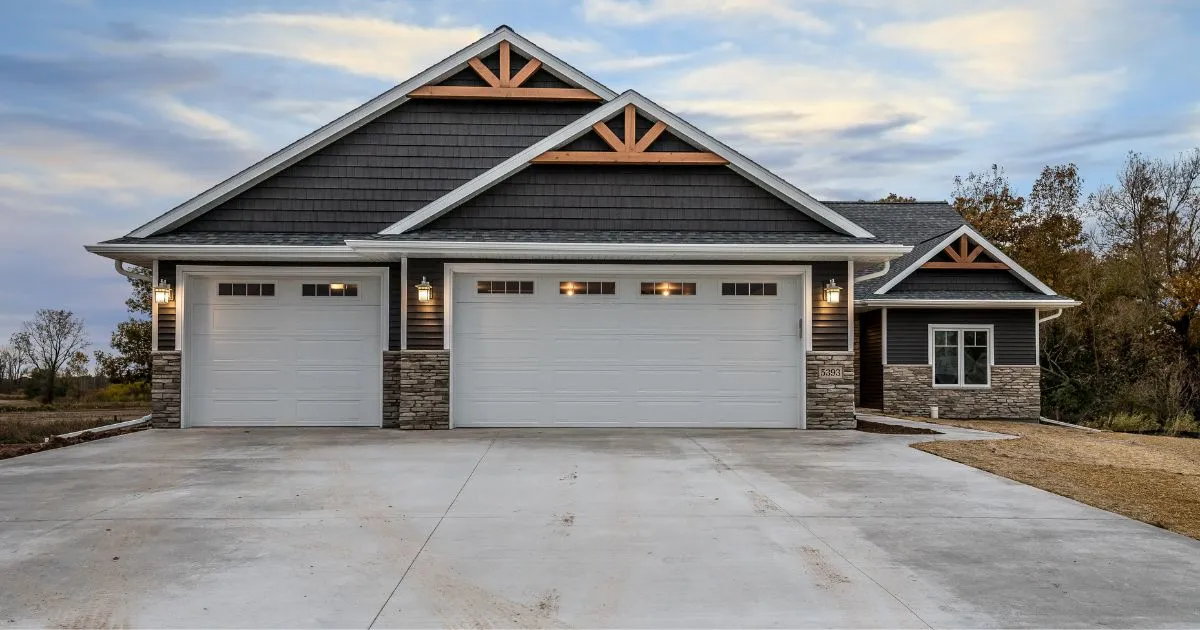
One of the most promising developments in urban parking is the rise of peer-to-peer parking platforms. This innovative approach allows property owners to unlock the latent value of their unused spaces, transforming a dormant asset into a source of steady income. For many Australians who possess driveways, garages, or dedicated parking spots that sit idle for significant periods, these systems provide an attractive opportunity to recoup costs or generate new revenue streams.
Peer-to-peer models operate on the premise that every unused space can be optimized to benefit both the owner and the user. This not only helps alleviate the urban parking crunch but also fosters a sense of community through the sharing of resources. In practical terms, property owners can list available spaces via mobile applications, setting their own prices and availability schedules. Meanwhile, drivers gain access to guaranteed spots without the uncertainties associated with traditional street parking.
Regulations and local signage play a critical role in ensuring that these arrangements function efficiently and safely. Municipalities and technology providers are collaborating to craft guidelines that protect both parties while maximizing the benefits of shared parking. A comprehensive guide to understanding parking signs offers essential clarification on local rules and helps streamline the integration of peer-to-peer systems within existing urban frameworks.
The peer-to-peer model offers advantages beyond revenue generation and convenience. For city administrators, it represents a strategy for reducing traffic congestion and lowering environmental impacts. By optimizing the use of existing infrastructure, cities can reduce the need for expensive new construction while simultaneously cutting car emissions. This model supports broader urban planning strategies aimed at curbing urban sprawl and encouraging more sustainable forms of transport.
Harnessing Insights: Future Trends in Urban Mobility
As cities adapt to emerging technological landscapes, the future of urban mobility appears closely linked with broad digital transformation. Recent industry projections indicate that the adoption of advanced technologies such as artificial intelligence and blockchain is driving significant shifts in operational models. One detailed technology forecast outlines these changes and emphasizes the growing impact of digital solutions on business efficiency as observed in current technology projections.
Building on these trends, experts in urban planning are now exploring how shared resource models, including peer-to-peer parking, can be enhanced through advanced analytics. The current shift is driven by the need for efficiency and sustainability, spurring innovations that merge convenience with ecological responsibility. In parallel, industries are accelerating efforts to create seamless user experiences. For instance, the rapid pace of financial transactions in online services finds its echo in the demand for immediate, data-driven responses in urban mobility.
Sustained improvements in urban mobility will largely depend on the successful integration of digital platforms with traditional infrastructure. Cities that invest in smart technologies today are likely to benefit from improved traffic flow, reduced pollution, and enhanced economic opportunities for property owners. Such advancements underscore the importance of embracing digital solutions as a fundamental element of future urban planning.
Recent research underscores how the integration of advanced sensor technologies and data analytics is reshaping urban parking, effectively bridging established infrastructure with modern operational models. These innovative approaches demonstrate that smart parking solutions are transforming urban mobility through enhanced efficiency and user engagement.
Implementing Best Practices for Seamless Parking Experiences
As the landscape of urban parking continues to evolve, both public authorities and private stakeholders are exploring best practices to ensure that these innovations yield tangible benefits. Growing emphasis is being placed on user education and responsive support systems. Municipalities and technology providers are investing in interfaces that offer real-time assistance, clear guidance, and hassle-free payment solutions. Educational campaigns and digital resources empower drivers to navigate modern parking challenges, whether it involves dynamic pricing, regulatory signage, or the balance between short-term and long-term needs.
In addition to technological upgrades, a focus on user experience remains paramount. Collaborative efforts between city councils and tech firms have led to the development of integrated mobility hubs that centralize various transport options, including ridesharing, public transit, and shared parking. This comprehensive approach not only addresses inefficiencies in transportation but also cultivates a more sustainable urban ecosystem. Drivers benefit from staying informed about best practices through community initiatives and targeted online resources.
Ultimately, the journey toward seamless parking experiences is one of continuous improvement. Embracing digital solutions and peer-to-peer models, as supported by recent industry research, can yield significant gains in efficiency, savings, and convenience. Urban planners are capitalizing on these innovations to transform parking from a persistent urban challenge into a valuable amenity that enhances the quality of city life.
As Australia looks to the future, the integration of advanced smart parking systems with community-based resource sharing will be key to transforming daily commutes. The combined efforts of technology providers, municipal authorities, and engaged citizens signal a promising path ahead—one where longstanding parking challenges are met with innovative, sustainable solutions that benefit all.
**Written by Daniel Battaglia:** As the author of Parking Made Easy: Making Life Easier is dedicated to making parking easier and more affordable at Parking Made Easy with Generative AI. With a background in business focusing on process improvement and parking solutions, Daniel has dedicated his career to helping drivers find parking. He understands the frustrations of parking and is committed to providing practical solutions. If you have any questions about renting a car parking space, feel free to contact Daniel at daniel@parkingmadeeasy.com.au.